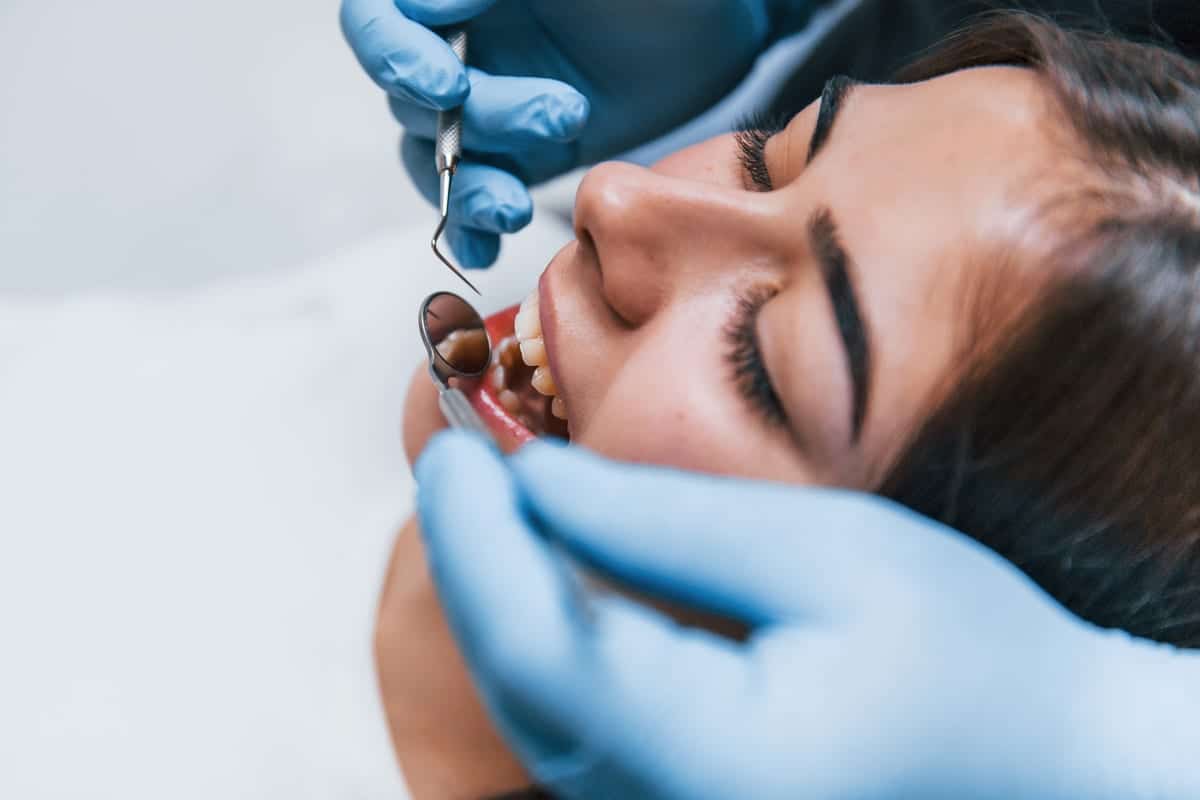
A healthy smile starts with a consistent oral hygiene routine. Bacteria that build up on your teeth throughout the day can lead to cavities, bad breath, and gum disease if left unchecked. The good news? Most oral health problems are preventable with a few simple daily habits: brushing correctly, flossing regularly, and using the right products for your mouth. In this guide, we’ll walk through practical, dentist-backed oral hygiene tips you can start using today to protect your teeth and gums for the long term.
Even with the best home routine, nothing replaces regular checkups with a licensed dentist. Professional cleanings catch early signs of decay, gum disease, and other issues before they become painful or costly to treat. Our experienced dental team is here to help you build a personalized oral care plan, answer your questions, and keep your smile in top shape. Contact us today to schedule your next appointment, because a healthy mouth is a team effort between you and your dentist.
How to Brush Your Teeth Properly
Brushing is the foundation of any oral hygiene routine, but technique matters just as much as frequency. Follow these steps for an effective clean:
- Choose the right brush. Use a soft-bristled toothbrush with a head small enough to comfortably reach every corner of your mouth.
- Angle it correctly. Hold your toothbrush at a 45-degree angle toward your gumline and brush in small, circular motions.
- Cover every surface. Clean the front, back, and chewing surfaces of each tooth, plus your tongue, where odor-causing bacteria collect.
- Time it right. Brush for a full two minutes, twice a day, ideally after breakfast and before bed.
Rushing through brushing is one of the most common mistakes people make. Setting a timer or using an electric toothbrush with a built-in timer can help you brush for the full two minutes consistently.
Choosing the Best Toothpaste for Your Needs
Not all toothpaste is created equal, and choosing the right one can make a noticeable difference in your oral health:
- Fluoride toothpaste is the gold standard; it strengthens enamel and helps prevent decay.
- Tartar-control toothpaste helps reduce hardened plaque buildup along the gumline.
- Whitening toothpaste can gently remove surface stains for a brighter smile.
- Sensitivity toothpaste is ideal if you experience discomfort with hot, cold, or sweet foods.
If you’re unsure which type is right for you, ask your dentist during your next visit; they can recommend a formula based on your specific oral health needs.
When to Replace Your Toothbrush
Your toothbrush loses effectiveness over time, even if it still looks fine. As a general rule:
- Replace it every three to four months.
- Replace it sooner if the bristles are visibly frayed or splayed.
- Always store it upright and let it air dry to prevent bacterial growth.
- Replace it after being sick to avoid reinfection.
Electric vs. Manual Toothbrush: Which Is Better?
Both electric and manual toothbrushes can clean your teeth effectively; the right choice depends on your habits and preferences.
Electric toothbrushes are often better at removing plaque with less effort, thanks to built-in timers and consistent brushing motion. They’re especially helpful for people with limited hand mobility or those prone to brushing too hard.
Manual toothbrushes work just as well when used correctly, with gentle pressure and a consistent circular motion. They’re also more affordable and travel-friendly.
The best toothbrush is ultimately the one you’ll use consistently and correctly, twice a day.
Flossing: The Step Most People Skip
Brushing alone can’t reach the tight spaces between your teeth, which is why flossing at least once daily is essential for removing food debris and plaque that brushing misses.
Choosing the Right Floss
- Waxed floss glides more easily between tightly spaced teeth.
- Unwaxed floss offers a thinner profile for a closer clean.
- Dental tape works well for people with wider gaps between teeth.
Pick whichever type feels comfortable and doesn’t cause irritation or bleeding.
How to Floss Correctly
- Wind about 18 inches of floss around your fingertips, leaving a couple of inches to work with.
- Gently slide it between your teeth using a back-and-forth motion.
- Curve the floss into a C-shape against each tooth and slide it slightly beneath the gumline.
- Don’t forget your back teeth; they’re the most commonly skipped area.
Interdental Brushes as an Alternative
If traditional floss is difficult to use, interdental brushes are a great substitute. They fit easily between teeth, remove plaque and debris, and gently massage the gums, a good option for people with braces, bridges, or wider gaps between teeth.
Using Mouthwash the Right Way
Mouthwash isn’t a replacement for brushing and flossing, but it’s a valuable addition to your oral hygiene routine when used correctly.
Choosing the right mouthwash:
- Look for an antimicrobial or antibacterial rinse to help kill germs.
- If you have gum disease, choose a formula specifically designed to target oral bacteria.
- Check the alcohol content – high-alcohol rinses can be too harsh for sensitive tissue.
How to use it properly: Swish a small amount around your mouth for about 30 seconds, then spit it out. Avoid swallowing it, and wait at least 30 minutes before eating or drinking so the active ingredients have time to work.
Building a Consistent Oral Hygiene Routine
The most effective oral hygiene routine is a simple one you can stick to every day:
- Brush twice daily for two minutes with fluoride toothpaste.
- Floss at least once a day.
- Rinse with an antimicrobial mouthwash.
- Replace your toothbrush every three to four months.
- Visit your dentist regularly for checkups and professional cleanings.
Consistency matters more than perfection; small daily habits add up to significantly better oral health over time. To make sure nothing gets missed, pair your at-home routine with a routine dental checkup at Scruggs Family Dentistry. Our team checks for early signs of decay and gum disease, cleans away plaque and tartar you can’t reach at home, and helps you fine-tune your daily habits for the best long-term results.
Final Thoughts
Good oral hygiene doesn’t require anything complicated, just consistent brushing, flossing, and the right products used correctly. Pairing a solid at-home routine with regular professional care gives you the best chance at a healthy, cavity-free smile for years to come.
Have questions about your oral health or ready to schedule a cleaning? Contact us today; our dental team is here to help.
Frequently Asked Questions
How often should I brush my teeth? You should brush your teeth twice a day for two minutes each time, using fluoride toothpaste. Brushing after breakfast and before bed helps remove plaque before it hardens into tartar.
What are the best oral hygiene tips for preventing cavities? The most effective oral hygiene tips for preventing cavities include brushing twice daily with fluoride toothpaste, flossing once a day, limiting sugary snacks and drinks, using an antimicrobial mouthwash, and visiting your dentist for regular checkups and cleanings. Together, these habits reduce plaque buildup and stop decay before it starts.
What type of toothbrush should I use? A soft-bristled toothbrush that’s the right size and shape for your mouth is generally best. Both electric and manual brushes are effective as long as you use proper technique.
How often should I floss my teeth? You should floss at least once daily to remove food debris and plaque from between your teeth, where a toothbrush can’t reach.
Is mouthwash necessary if I already brush and floss? Mouthwash isn’t strictly required, but it adds an extra layer of protection by killing bacteria and freshening breath. It works best as a complement to, not a replacement for, brushing and flossing.
How often should I visit the dentist? Most people should visit the dentist every six months for a routine checkup and cleaning. However, some individuals may need more frequent visits depending on their oral health history; your dentist can recommend the right schedule for you.