Frequent dental problems that impact a large number of people in Shreveport and the surrounding areas include temporomandibular joint (TMJ) disorders and teeth grinding, sometimes referred to as bruxism. Numerous consequences, such as jaw discomfort, headaches, and tooth damage, can result from these diseases. However, by being aware of the causes, signs, and available treatments for Shreveport, relief can be obtained.
Understanding Teeth Grinding (Bruxism)
An involuntary behavior of clenching or gnashing one’s teeth, especially while sleeping, is known as teeth grinding. This disorder can also cause clenching of the teeth during the day, which is frequently associated with worry or stress. Teeth deterioration, heightened tooth sensitivity, and even jaw discomfort can be caused by grinding repeatedly.
Causes of Bruxism:
- Stress and Anxiety: Emotional stress or anxiety is a common trigger for teeth grinding.
- Sleep Disorders: Bruxism is often associated with certain sleep disorders, such as sleep apnea.
- Malocclusion: An incorrect bite or misaligned teeth can cause grinding.
- Lifestyle Factors: Excessive alcohol intake, smoking, and caffeine consumption may exacerbate bruxism.
Recognizing TMJ Disorders
The mouth and the skull are joined by a hinge called the temporomandibular joint (TMJ). TMJ problems are characterized by discomfort or dysfunction in the joint, which can cause a variety of symptoms. Common signs of TMJ disorders include:
- Jaw pain.
- Clicking or popping sounds when opening or closing the mouth.
- Difficulty in jaw movement.
Causes of TMJ Disorders:
- Jaw Injury: Trauma to the jaw or joint can result in TMJ disorders.
- Arthritis: Degenerative joint diseases like arthritis can affect the TMJ.
- Bruxism: Teeth grinding can contribute to TMJ issues.
- Genetics: Certain people may have a hereditary predisposition to TMJ issues.
- Stress: Emotional stress can contribute to jaw clenching and TMJ-related symptoms.
The Interconnection: Bruxism and TMJ
TMJ issues and teeth grinding frequently coexist. Grinding with too much power can strain the TMJ, which can cause or worsen symptoms connected to the TMJ. On the other hand, those who suffer from TMJ issues could grind their teeth subconsciously to ease their jaw pain.
Symptoms of Bruxism and TMJ Disorders:
- Jaw pain or soreness, especially in the morning.
- Headaches, especially around the temples.
- I was clicking or popping sounds in the jaw.
- Difficulty or discomfort while chewing.
- Worn-down or damaged teeth.
- Earaches or ringing in the ears (tinnitus).
- Facial pain or tenderness.
Diagnosis and Treatment in Shreveport
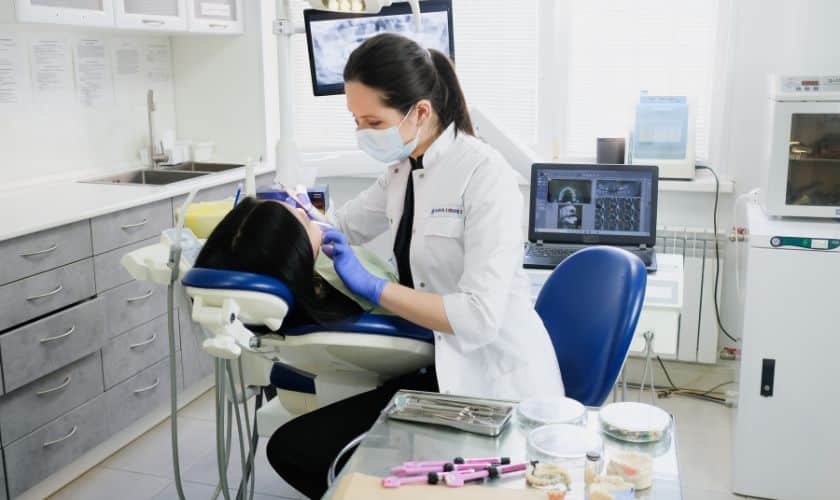
It’s critical to get a quick Shreveport diagnosis and treatment if you think you may have bruxism or TMJ issues. A full examination, which may involve dental X-rays, may be necessary during a visit to a trained dentist or specialist in order to assess jaw function and establish the extent of tooth damage.
Treatment Options:
- Custom Mouthguards: Custom mouthguards fit is a frequent treatment for bruxism. These appliances protect the lower teeth from damage from grinding by serving as a barrier between them.
- Stress Management: Using relaxation methods or therapy to address stress and anxiety can help manage bruxism.
- Orthodontic Treatment: Repositioning teeth or changing an incorrect bite can help with bruxism and TMJ issues.
- Medications: In certain instances, doctors may give muscle relaxants or anti-anxiety drugs to treat the symptoms.
- Physical Therapy: Physical therapy exercises can help people with TMJ issues by improving jaw function and reducing discomfort.
Lifestyle Modifications for Relief:
- Stress Reduction Techniques: Engage in stress-relieving activities like yoga, meditation, and deep breathing.
- Limiting Stimulants: Cut back on or give up stimulants like smoke and coffee.
- Jaw Exercises: Gentle jaw exercises can help improve jaw mobility and reduce tension.
- Dietary Changes: Include a soft diet, avoiding hard or chewy foods that may aggravate symptoms.
The Role of Dental Implants in Restoring Function
For people who have suffered tooth damage from bruxism or other causes, dental implants can be quite helpful in restoring both function and appearance. Dental implants are secured firmly in the mandible to serve as long-lasting, aesthetically pleasing substitutes for lost teeth. They give people stability and durability so they may resume their regular chewing and biting functions.
Preventive Measures for Long-Term Oral Health:
- Regular Dental Check-ups: Routine dental visits enable early detection and intervention for potential issues.
- Nighttime Mouthguards: Wearing a custom mouthguard during sleep can prevent damage caused by teeth grinding.
- Awareness and Self-Monitoring: Being conscious of jaw habits and seeking prompt treatment for any discomfort can prevent long-term complications.
Conclusion: Relief is Within Reach in Shreveport
Oral health and general well-being can be greatly impacted by TMJ issues and teeth grinding. A thorough strategy is required to find relief in Shreveport, from treating the underlying reasons to putting successful treatment plans into place. Dental implants, stress reduction techniques, and personalized mouthguards are just a few of the dental care innovations that Shreveport residents may use to overcome these obstacles and get long-lasting relief for a happier, healthier smile.
For a comprehensive approach to dental care in Shreveport, including solutions for teeth grinding and TMJ issues, consider incorporating professional services such as teeth whitening. A brighter, whiter smile not only enhances your appearance but also contributes to your overall oral confidence. Speak with a Shreveport dentist to learn more about individualized treatments catered to your particular requirements, including teeth whitening, if you believe you may have bruxism or TMJ problems. Invest in your oral health today for a radiant smile and improved well-being.