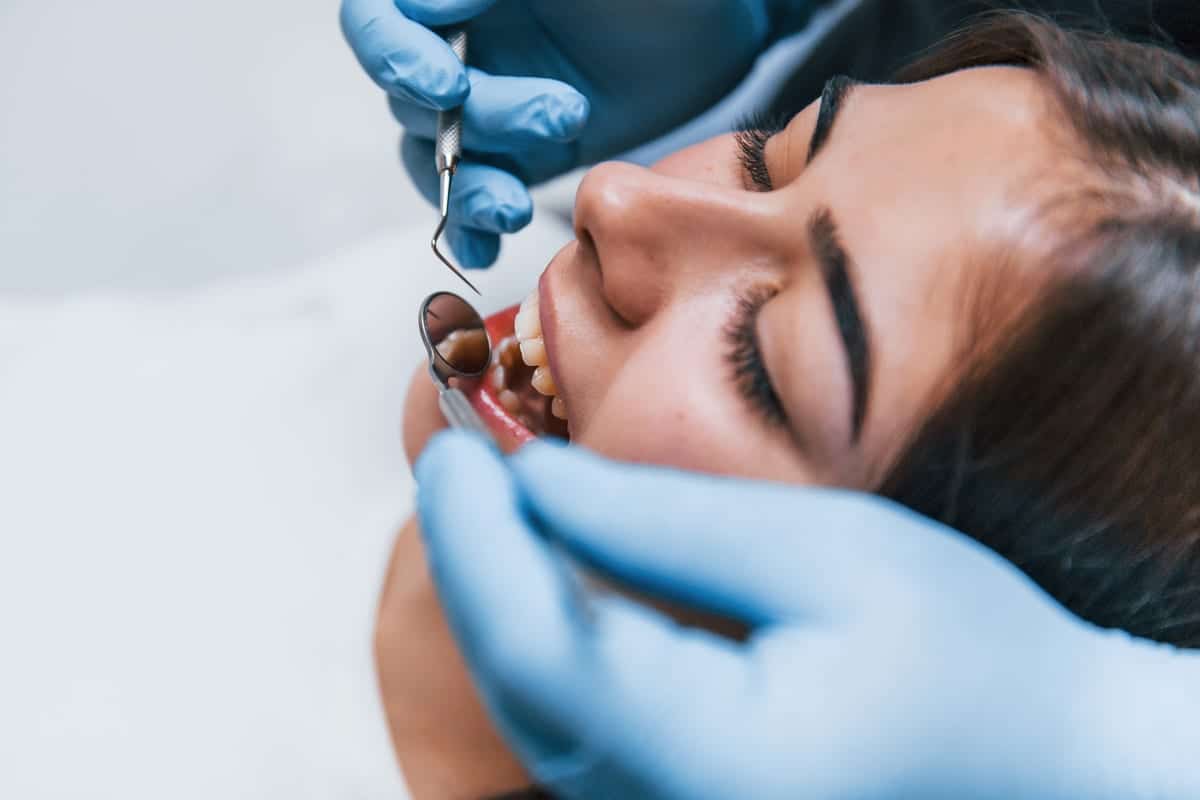
A new crown or bridge can restore the function, strength, and appearance of your smile. While these restorations are built to withstand everyday use, their long-term success depends on consistent oral hygiene and healthy daily habits. Knowing how to care for your restoration can help prevent complications and keep your smile looking its best for years to come.
Dr. Scruggs has been practicing dentistry in Shreveport for more than 30 years. After earning his undergraduate degree in Biology from LSUS, he received his DDS from the LSU School of Dentistry in New Orleans. He also completed advanced implant surgery training at the Hands On Training Institute in New Jersey and has extensive experience in implant diagnosis, treatment planning, and placement.
Whether you have recently received a restoration or are considering treatment, Dr. Scruggs and the team at Scruggs Family Dentistry are committed to helping you protect your smile with personalized, high-quality care.
Have questions about your new restoration? Contact Scruggs Family Dentistry today to schedule an appointment and receive expert guidance tailored to your smile.
Understanding Dental Crowns
A dental crown is a custom-made cap that covers a damaged or weakened tooth to restore its strength, shape, size, and appearance. Crowns are commonly recommended for:
- Cracked or fractured teeth
- Teeth weakened by large cavities
- Teeth following root canal treatment
- Worn or broken teeth
- Restoring dental implants
If you’ve recently received a dental crown in Shreveport, following your dentist’s aftercare instructions can help ensure your restoration lasts for many years.
What Is a Dental Bridge?
A dental bridge is a fixed restoration designed to replace one or more missing teeth. It fills the gap by anchoring an artificial tooth to neighboring natural teeth or dental implants.
Dental bridges help:
- Restore your ability to chew comfortably
- Improve speech
- Prevent neighboring teeth from shifting
- Maintain facial support
- Preserve proper bite alignment
With proper care, a dental bridge can remain functional and attractive for well over a decade.
Why Caring for Your Crown or Bridge Matters
Although crowns and bridges are made from durable materials, they still rely on healthy teeth and gums for support. Neglecting oral hygiene can shorten the lifespan of your restoration.
Prevent Decay Around the Restoration
A crown cannot develop cavities, but the natural tooth beneath it can. Likewise, the supporting teeth for a bridge remain vulnerable to decay.
Brushing and flossing every day help remove plaque and reduce the risk of cavities and gum disease.
Increase the Lifespan of Your Restoration
Most crowns and bridges last between 10 and 15 years, and many last even longer with proper maintenance. Good oral hygiene and regular dental visits can help prevent premature wear or damage.
Daily Tips for Caring for Your New Crown or Bridge
Brush Thoroughly Twice a Day
Brush your teeth morning and night using a soft-bristled toothbrush and fluoride toothpaste.
Pay special attention to the gumline, where plaque tends to accumulate. Gentle, consistent brushing protects both your restoration and the surrounding natural teeth.
Floss Every Day
Flossing is especially important if you have a bridge.
Food particles and bacteria can collect underneath the bridge, increasing the risk of gum disease and decay around the supporting teeth.
If traditional floss is difficult to use, ask your dentist about:
- Floss threaders
- Super floss
- Water flossers
These tools make cleaning beneath your bridge much easier.
Rinse With an Antibacterial Mouthwash
Using an antibacterial mouthwash once or twice daily helps reduce harmful bacteria, minimize plaque buildup, and support healthier gums around your restoration.
Watch What You Eat
Certain foods place unnecessary stress on crowns and bridges.
Foods to Limit
Avoid or minimize:
- Hard candy
- Ice
- Sticky caramel
- Chewy taffy
- Popcorn kernels
- Very hard nuts
These foods may chip, crack, or loosen your restoration.
Practice Healthy Chewing Habits
If your restoration was recently placed, chew on the opposite side of your mouth until your dentist advises otherwise.
You should also avoid:
- Biting your fingernails
- Chewing on pens
- Opening packages with your teeth
Simple habits like these can significantly extend the life of your restoration.
Protect Your Restoration From Teeth Grinding
Teeth grinding, also known as bruxism, places excessive pressure on crowns and bridges.
Over time, grinding can cause:
- Chipping
- Cracking
- Loosening
- Premature wear
If you grind your teeth while sleeping, ask your dentist whether a custom nightguard is right for you. A properly fitted nightguard cushions your teeth and helps protect your dental restorations from unnecessary damage.
Don’t Skip Your Routine Dental Visits
Professional dental checkups play an essential role in maintaining your oral health and protecting your restorations.
During your appointment, your dentist will:
- Examine your crown or bridge
- Check your bite
- Look for early signs of decay
- Evaluate your gums
- Remove plaque and tartar buildup
Routine care helps identify small concerns before they become more complex or costly.
Signs You Should Contact Your Dentist
Schedule an appointment if you experience:
- Persistent tooth sensitivity
- Pain while chewing
- A loose crown or bridge
- A chipped or cracked restoration
- Swollen or bleeding gums
- Food constantly getting trapped around the restoration
Prompt treatment can often prevent more extensive dental work.
Protect Your Smile for Years to Come
A well-maintained crown or bridge can provide years of reliable function, comfort, and confidence. By practicing excellent oral hygiene, making smart dietary choices, protecting your teeth from grinding, and keeping up with routine dental visits, you can maximize the lifespan of your restoration while supporting your overall oral health.
Whether you need a new restoration, a routine checkup, or have concerns about an existing crown or bridge, Dr. Scruggs and the team at Scruggs Family Dentistry in Shreveport, LA are here to help. Contact us today to schedule your appointment and receive personalized care that keeps your smile healthy for years to come.
Frequently Asked Questions
How long does it take to adjust to a new crown or bridge?
Most people adjust within a few days to two weeks. Mild sensitivity is common at first, but persistent discomfort should be evaluated by your dentist.
Can I eat normally after getting a crown or bridge?
Yes. Once any numbness has worn off and your dentist gives you the go-ahead, you can return to your normal diet. However, it’s still best to avoid chewing ice, hard candy, and other foods that could damage your restoration.
How long do crowns and bridges last?
With proper care and regular dental checkups, crowns and bridges commonly last 10 to 15 years or longer.
Do I need to floss under a dental bridge?
Yes. Cleaning beneath your bridge every day helps remove food debris and plaque that could lead to gum disease or decay around the supporting teeth.
Can a crown get a cavity?
The crown itself cannot develop a cavity, but the natural tooth underneath can decay if bacteria collect around the margins. Daily brushing, flossing, and routine dental visits help prevent this.
What should I do if my crown or bridge feels loose?
Contact your dentist as soon as possible. Avoid chewing on that side of your mouth until it has been evaluated, as delaying treatment may lead to additional damage.