For decades, the application of pit and fissure sealants has been predominantly a pediatric intervention, targeting young patients to prevent the early onset of occlusal caries. However, clinical evidence coupled with evolving dental philosophies advocates for the expanded use of dental sealants in adults, particularly those over 30. This paradigm shift is gradually gaining traction among local dentists aiming to elevate adult oral health standards through supervised risk management protocols.
Why Do Your Teeth Become Vulnerable As You Age?
While tooth decay is traditionally associated with childhood, grown-ups face unique and sometimes underestimated risk factors. The oral ecosystem changes dynamically throughout life, with variables such as:
- Gingival recession exposing root surfaces is vulnerable to caries.
- Cumulative enamel wear compromises natural barriers.
- Alterations in salivary flow and composition, sometimes exacerbated by systemic medications.
- Lifestyle factors influencing microbial biofilm composition and acidogenic potential.
These factors contribute to a shifting caries risk profile that demands tailored preventive strategies beyond the typical hygiene recommendations.
How Do Dental Sealants Work For Adult Oral Health?
Dental sealants for teeth are crafted from a high-quality resin that bonds firmly to the chewing surfaces of molars and premolars. Once hardened, this layer forms a barrier that blocks bacteria, acids, and food particles from settling into the deep grooves where decay often begins.
As people age, enamel naturally experiences some degree of wear, leading to small cracks or weak points. This treatment adds a layer of defense, helping to strengthen tooth surfaces and prevent future damage.
Originally developed for children, modern clinical research confirms that sealants are equally beneficial for grown-ups. In fact, they are particularly helpful for those prone to cavities or enamel erosion. The application process is simple and conservative, as it does not require removing healthy structure or altering natural tooth anatomy. With consistent home care and regular professional checkups, these coatings can last for several years, often up to a decade.
Clinical Considerations For Sealant Application In Adults
When thinking about applying protective coatings for people over 30, there are some key points dentists consider:
1. Checking Your Tooth Surfaces
Teeth with deep grooves that are hard to clean are the best candidates for sealants. Dentists may use special tools like light-based scanners to find early signs of tooth damage and decide if treatment is needed.
2. Understanding Your Risk For Cavities
Your overall health, eating habits, and saliva flow are all important. A local dentist will examine these factors to create a treatment plan that fits your needs.
3. How Well The Sealant Sticks
Grown-up teeth may have wear or changes that make dental restorative material harder to stick. Professionals use special techniques and materials for mature teeth to ensure the coating lasts longer.
4. Using Sealants Alongside Other Treatments
Sealants work even better with other options like fluoride treatments or antibacterial rinses, especially for people likely to get cavities.
Can Every Adult Above 30 Receive Dental Sealant Treatment?
While every patient’s needs differ, protective coatings are particularly recommended for those who:
- Have experienced multiple cavities or restorations in their back teeth.
- Exhibit enamel wear or tooth surface vulnerability.
- Maintain a diet high in carbohydrates or sugary beverages.
- Experience dry mouth or reduced saliva production.
- Prefer a preventive rather than a reactive approach to oral care.
Moreover, specialists will evaluate your teeth’s health, bite alignment, and history of decay before determining whether this treatment is suitable.
The Procedure: Simple, Fast, And Comfortable
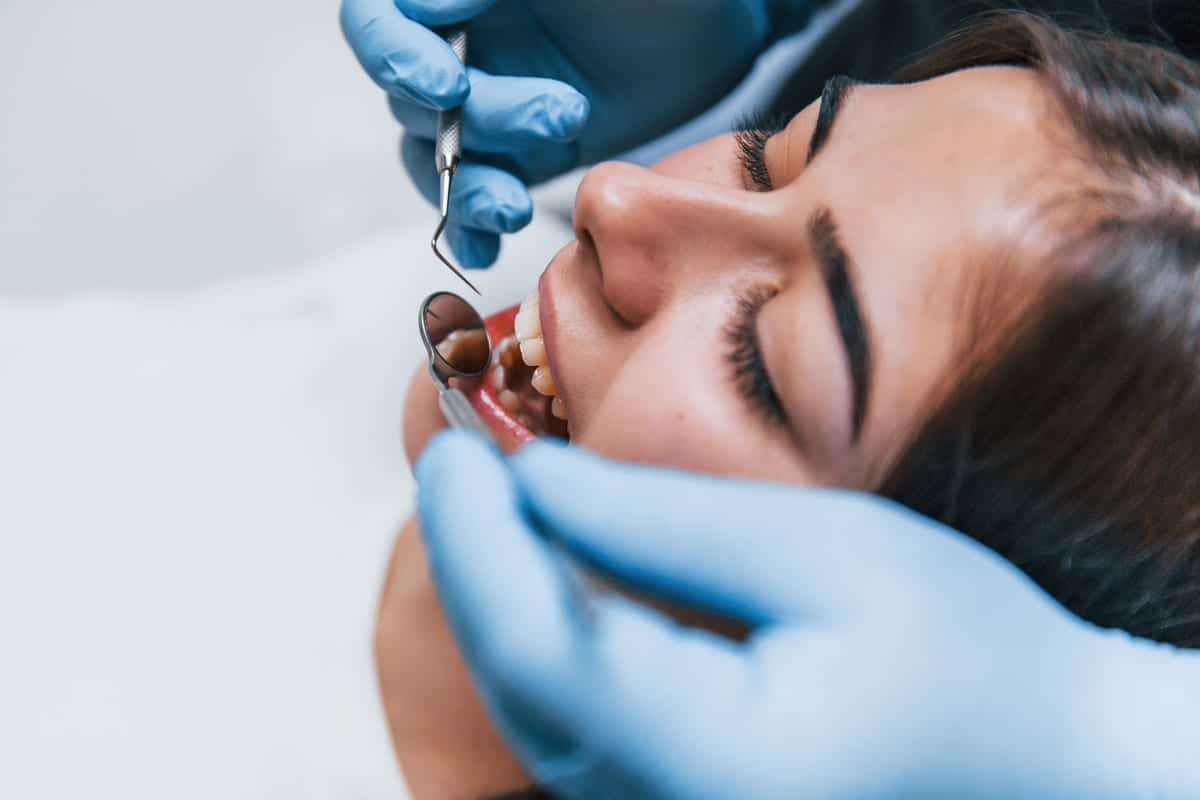
The application process is remarkably straightforward. After thoroughly cleaning and drying the teeth, the dentist applies a gentle etching solution to prepare the surface. The resin coating is brushed and cured with a special light to create a smooth, sealed surface.
This process typically takes only a few minutes per tooth and is painless. Once applied, the protective tooth coating can last several years with proper maintenance and regular oral checkups.
For adults just stepping into or who are over 30, particularly those residing in Shreveport or nearby areas, dental sealants represent a scientifically validated and patient-friendly solution. Far beyond their traditional pediatric application, this treatment approach is crucial to addressing elders’ oral health’s complex and evolving challenges. Our dentists at Scruggs Family Dentistry have the knowledge and technology to evaluate your unique needs and recommend treatments that fit your lifestyle and oral concerns. Book an appointment today with our trusted dental provider to learn how this preventive solution can work for you.
Frequently Asked Questions (FAQs)
1. Are dental sealants appropriate for adults who already have dental work?
Yes, as long as the chewing surfaces of molars or premolars are free of existing cavities or large restorations, the protective coatings can be applied to reduce further risk of decay.
2. Can these sealants replace good brushing and flossing habits?
No, they are an additional preventive layer, not a substitute for daily hygiene and professional cleanings. Effective brushing, flossing, and routine evaluations remain essential.
3. How soon after application can I resume normal eating and drinking?
Immediately, once the coating is set, adults can usually eat and drink normally. The process does not require drilling or anesthesia, and there are no special restrictions.
4. Does the enamel coating protect all parts of a tooth or just the chewing surfaces?
They primarily protect the pits and grooves on chewing (occlusal) surfaces, less so the sides or margins of teeth, so other preventive measures are still necessary.
5. How will my dentist know if the coating needs to be renewed?
During your regular dental checkups, your provider will inspect the coating’s integrity, check for wear or chips, and recommend re-application if needed to maintain full protection.