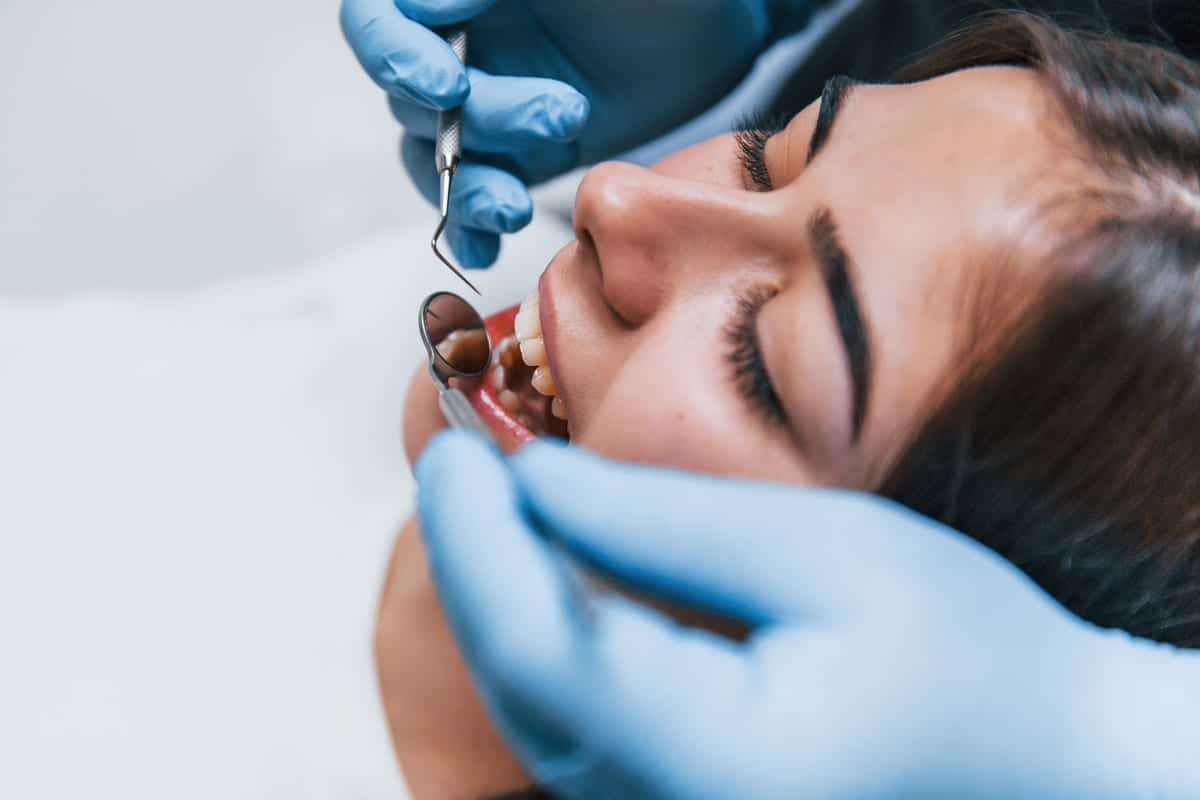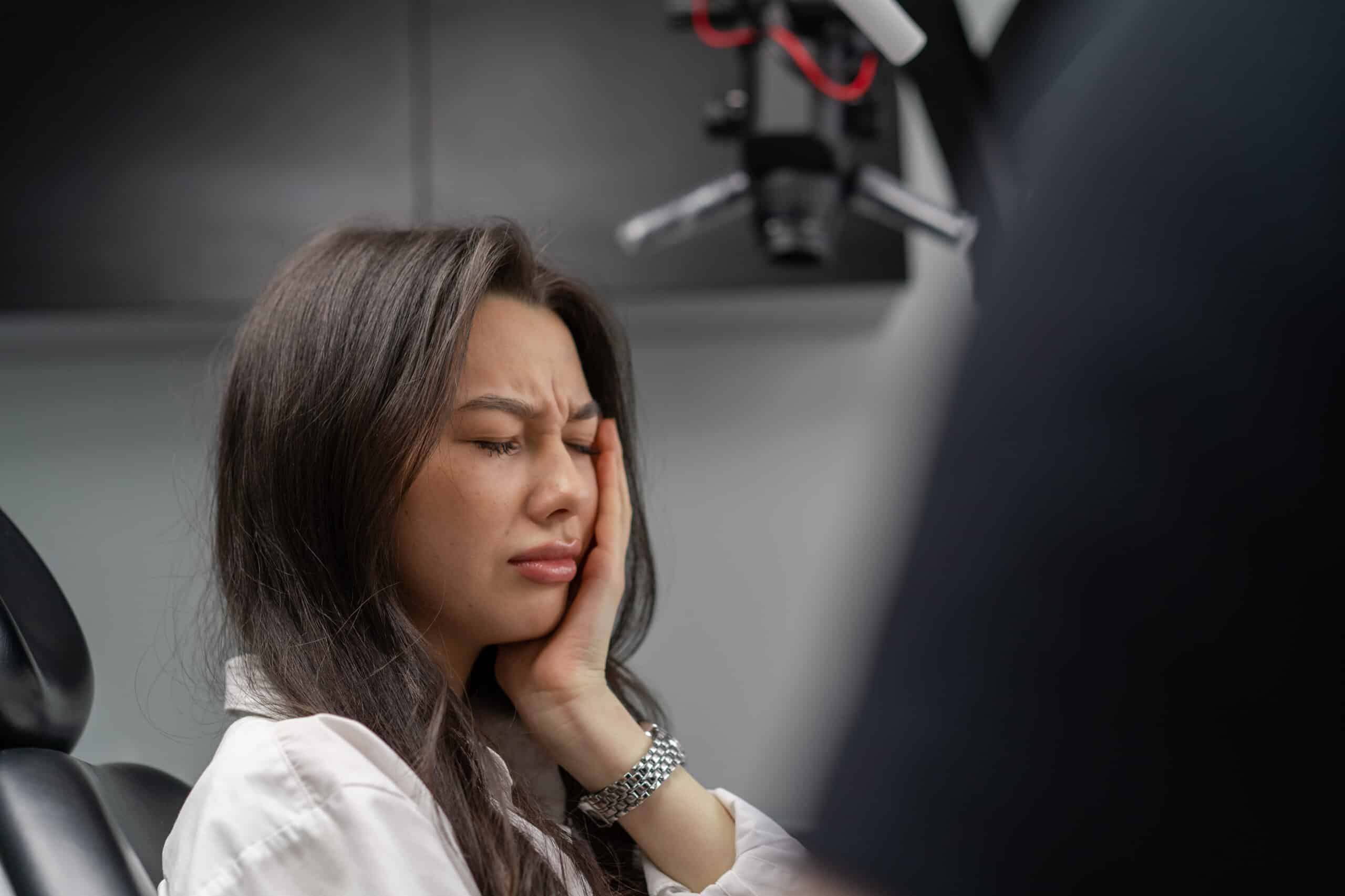
A temporary crown rarely falls off at a convenient time. For many people around Shreveport, Bossier City, and nearby communities like Stonewall or Blanchard, it happens during dinner, while flossing, or right before the weekend. One minute everything feels fine, and the next you are staring at a small crown in your hand, wondering whether you just damaged your tooth or ruined the treatment process.
The good news is that a temporary crown falling off is not automatically a dental emergency. The not-so-good news is that what happens next often depends on how long the tooth stays uncovered, what condition the tooth underneath is in, and what you do in those first few hours.
At Scruggs Family Dentistry, Dr. Scruggs helps patients navigate everything from routine dental care to unexpected situations like loose or missing crowns. His approach focuses on practical guidance, clear communication, and helping patients understand what matters most before small problems become larger ones. If your temporary crown has come loose or fallen off and you are unsure what to do next, call our office immediately at 318.450.6456 for guidance on the best next steps.
Why Temporary Crowns Sometimes Come Loose
Many patients assume a temporary crown falling off means something went wrong. In reality, temporary crowns are intentionally designed to be less secure than permanent ones.
A temporary crown acts as a short-term protective cover while your permanent restoration is being created. The cement used to hold it in place is weaker because your dentist needs to remove it without damaging the prepared tooth later.
That means temporary crowns sometimes loosen because of everyday situations like:
- Sticky foods pulling on the crown
- Hard or crunchy foods putting pressure on it
- Teeth grinding during sleep
- Aggressive flossing techniques
- Natural wear of the temporary cement
Dentists also notice a pattern among patients who lose temporary crowns early. Many report feeling “a little looseness” for a day or two but assume it is normal and ignore it until the crown fully detaches.
That early wobbling is often your first sign that the crown may not stay in place much longer.
What Actually Happens to the Tooth When the Crown Falls Off?
The answer depends on the tooth underneath.
In many cases, the prepared tooth has been reshaped to make room for the permanent crown. That often leaves it smaller, more sensitive, and temporarily vulnerable.
Some patients notice immediate sensitivity to cold air, cold drinks, or pressure. Others feel almost nothing at first and assume everything is fine. Neither reaction automatically tells you how serious the situation is.
A missing temporary crown can expose:
- Sensitive dentin layers
- Recently treated tooth structure
- Areas more likely to trap food and bacteria
- Edges that may chip more easily
The biggest concern is not usually the first few hours. It is what happens if the tooth remains uncovered for too long.
Teeth naturally shift, even in small ways. When that happens, your permanent crown may no longer fit exactly as planned. Something as minor as spacing changes or gum irritation can complicate placement.
This is one reason dentists often recommend calling sooner rather than waiting to “see what happens.”
Patients searching for emergency dental care near Shreveport are often surprised to learn that not every lost crown requires the same-day treatment, but waiting too long can turn a manageable situation into a more frustrating one.
Before You Panic, Here Is What Usually Matters Most
When patients call after losing a temporary crown, the first questions are usually very similar:
“Did I damage the tooth?”
“Can I eat?”
“Do I need to come in immediately?”
The answers depend on what you are experiencing.
If the tooth feels mildly sensitive but stable, and there is no severe pain, swelling, or visible damage, you may have time to schedule an appointment within a reasonable timeframe.
But there are situations dentists treat more urgently.
Signs You Should Contact Your Dentist Sooner
A temporary crown falling off becomes more concerning if:
- The tooth feels sharp or broken
- Pain increases quickly instead of improving
- You notice swelling or gum irritation
- Biting pressure feels uncomfortable
- The tooth becomes highly temperature-sensitive
- The crown came off after trauma or a hard impact
One misconception dentists hear often is: “It doesn’t hurt, so it must be okay.”
Pain is only one piece of the picture. Some exposed teeth remain painless initially, but still become harder to restore if left uncovered too long.
The Mistake Patients Make Most Often
The biggest mistake is delaying the call.
Many people wait because they assume the temporary crown “wasn’t important anyway.” Others become busy and decide to wait until the permanent crown appointment.
That can create avoidable problems.
Dentists sometimes see teeth shift enough that the permanent crown fit changes. In other cases, patients crack weakened tooth structure while chewing on hard foods because they forgot the tooth underneath was temporarily exposed.
Another common mistake is chewing normally right away.
Even if the area feels okay, most dentists recommend avoiding sticky candies, hard foods, crunchy snacks, or chewing directly on that side until the tooth is evaluated.
Should You Try Putting the Temporary Crown Back Yourself?
Patients ask this all the time.
If you still have the crown, your dentist may advise temporary at-home solutions depending on the situation. But dentists generally prefer patients avoid improvising with household glue or permanent adhesives.
This is where people accidentally create bigger problems.
Using the wrong material can irritate surrounding tissue or interfere with how the permanent crown fits later.
At Scruggs Family Dentistry, patient conversations around temporary crowns often focus less on panic and more on preventing unnecessary complications. Sometimes, reassurance is enough. Other times, re-cementing the temporary crown helps protect the tooth while treatment continues.
For patients concerned about discomfort, sensitivity, or whether they need urgent help, seeking an emergency dentist may provide faster answers, especially if symptoms are worsening rather than staying stable.
A Few Situations Patients Rarely Think About
There are some edge cases worth mentioning because they create unnecessary anxiety.
What If You Accidentally Swallowed the Crown?
It happens more often than people expect.
In most situations, swallowing a temporary crown is not dangerous, though you should still contact your dental office for guidance and discuss next steps.
What If the Crown Falls Off Right Before Your Permanent Appointment?
This may not automatically delay treatment, but timing matters.
If the tooth shifts or gums become irritated before the visit, adjustments may be necessary.
What If It Only Feels Loose but Has Not Fallen Off Yet?
That is often the best time to call.
Dentists can sometimes secure a loose temporary crown before it fully detaches, helping patients avoid sensitivity or disruptions.
Conclusion
When a temporary crown falls off, the situation is often more manageable than patients fear, but timing and decision-making still matter. We encourage patients not to ignore unusual sensitivity, shifting, or discomfort, even if symptoms seem minor at first. If symptoms suddenly worsen, pain increases, or you are simply unsure what to do next, visiting our dental practice in Shreveport can help you get clear answers and avoid unnecessary complications. By paying attention early and seeking professional guidance when needed, we can usually help prevent small setbacks from becoming bigger treatment delays.
FAQs
Can I sleep without my temporary crown?
In many cases, yes, but it is still important to contact your dentist promptly. Sleeping without the crown overnight is usually less concerning than leaving the tooth exposed for several days.
Will my tooth move if the temporary crown falls off?
Possibly. Even small tooth movement can affect how your permanent crown fits, especially if the tooth stays uncovered too long.
What if I accidentally swallowed the temporary crown?
This is fairly common and usually not dangerous, but call your dentist so they can determine the next step and whether replacement protection is needed.
Can sensitivity after losing a crown go away on its own?
Mild sensitivity sometimes improves temporarily, but it does not necessarily mean the tooth no longer needs protection.
How long can I wait before seeing a dentist?
This depends on symptoms and the condition of the tooth, but sooner is generally better to avoid shifting or complications.
Can I eat normally if my temporary crown falls off?
It is usually smarter to avoid hard, sticky, or crunchy foods and avoid chewing directly on that side.
Should I try to glue the temporary crown back myself?
Avoid household adhesives or permanent glue. Contact your dentist before trying any temporary fix.
What signs mean I should call a dentist immediately?
Severe pain, swelling, increased sensitivity, visible damage, or difficulty biting comfortably should prompt faster evaluation.
Need Guidance After a Temporary Crown Falls Off?
At Scruggs Family Dentistry, we help patients understand whether a missing temporary crown is something that can wait briefly or something that deserves quicker attention. If your crown came off and you are unsure what to do next, contact us for guidance and a professional evaluation.