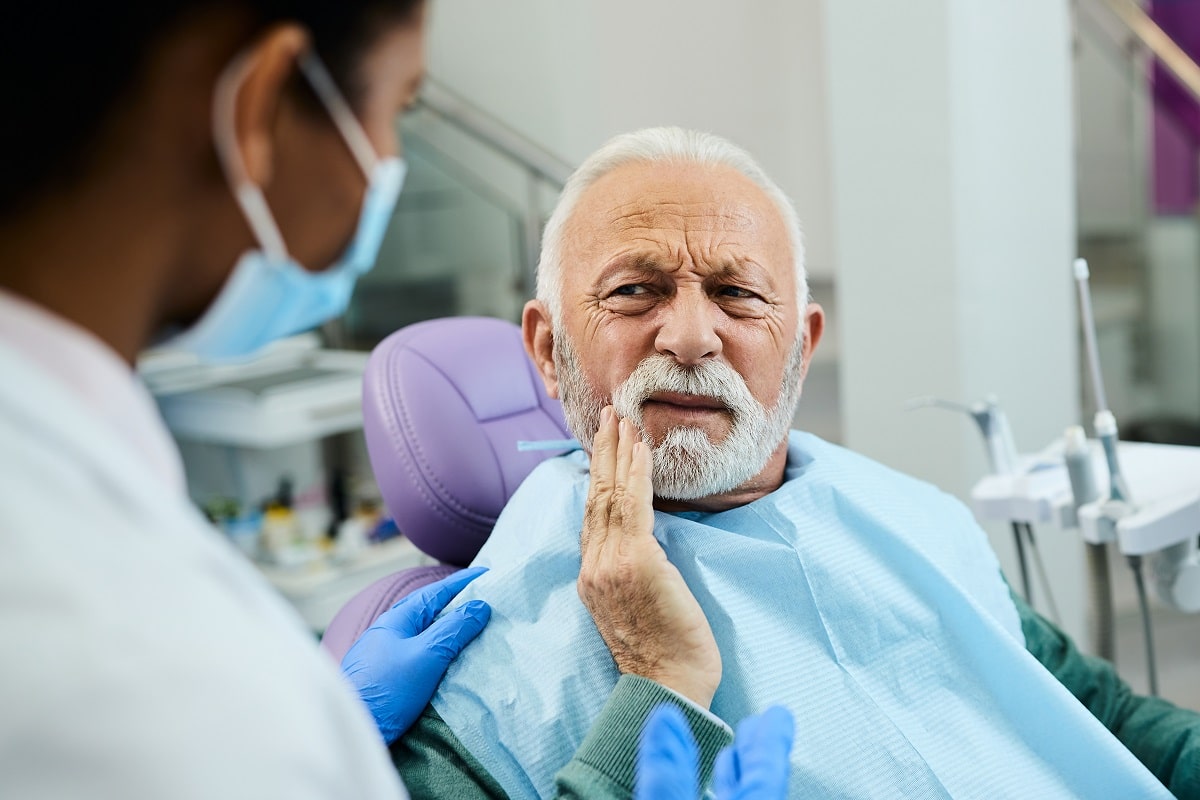
Patients from neighborhoods across Shreveport, including Southern Hills, Broadmoor, and Spring Lake, occasionally contact our office after noticing swelling, bleeding, or discomfort around a dental implant. While these symptoms do not always mean an implant has failed, they should never be ignored because early intervention can often prevent more serious complications.
Situations like this are more common than many patients realize. While dental implants have a very high success rate, swelling, bleeding, or pain around an implant should never be ignored. These symptoms may indicate irritation, infection, excessive bite pressure, or other conditions that can threaten the long-term health of the implant if left untreated.
About Dr. Scruggs
Dr. Scruggs has been serving Shreveport families for more than 30 years and brings extensive experience in implant diagnosis, treatment planning, and placement. After earning his DDS from LSU School of Dentistry and completing advanced implant surgery training at the Hands On Training Institute, he continues to focus on gentle, patient-centered care aimed at preserving healthy smiles whenever possible.
If you are experiencing concerns related to a dental implant or would like a professional evaluation, we encourage you to contact our dental practice to schedule an appointment and receive timely, personalized care.
When an Implant Starts Acting Differently
One of the biggest misconceptions we hear is that implants cannot develop problems because they are made of titanium. While the implant itself cannot get a cavity, the surrounding gums and bone remain vulnerable to inflammation and infection.
Many patients first notice subtle changes:
- Bleeding while brushing around the implant
- Tenderness when chewing
- Swollen or puffy gum tissue
- A bad taste near the implant
- Sensitivity that wasn’t present before
These signs often appear gradually. Because the discomfort may be mild, many people wait weeks or even months before scheduling an appointment.
Unfortunately, early treatment is usually much simpler than treatment after significant bone loss has occurred.
Not Every Sore Implant Means Implant Failure
Patients frequently search online after noticing pain and immediately worry that the implant must be removed.
In reality, implant failure is only one possibility.
At our office, we often find that symptoms are caused by inflammation in the surrounding tissues rather than a failed implant. Food debris, bacterial buildup, gum disease, bite imbalances, or inconsistent maintenance visits can all create symptoms that mimic more serious problems.
The key difference is that many of these issues can be treated successfully when diagnosed early.
The Hidden Infection Many Patients Don’t Notice
A condition called peri-implantitis is one of the most common reasons implants become swollen, bleed, or hurt.
Think of it as a form of gum disease that develops around an implant. Bacteria collect beneath the gumline, triggering inflammation and eventually damaging the supporting bone.
What’s concerning is that peri-implantitis often progresses with surprisingly few symptoms.
We’ve seen patients with significant bone loss who reported only occasional bleeding during brushing.
This is one reason regular implant evaluations are so important. The amount of damage occurring beneath the gums may not match what you feel day to day.
For patients who have undergone dental implant treatment in Shreveport, recognizing these warning signs early can help protect the long-term success of their restored smile.
Why Bleeding Around an Implant Is Different Than Occasional Gum Irritation
Healthy implant tissue generally should not bleed during normal brushing and flossing.
Patients sometimes assume bleeding is caused by brushing too aggressively. While that can happen occasionally, recurring bleeding often signals inflammation beneath the surface.
In our experience, patients commonly dismiss bleeding because it comes and goes. The problem is that inflammation usually doesn’t resolve on its own.
If bleeding continues for more than a few days, an evaluation is usually warranted.
The Swelling Question We Hear Most Often
Many patients ask whether swelling automatically means infection.
Not always.
Swelling can develop for several reasons:
- Bacterial infection
- Food trapped beneath the gumline
- Excessive bite pressure
- Gum irritation from poor-fitting restorations
- Chronic inflammation around the implant
The location and pattern of swelling often provide important clues.
For example, localized swelling that repeatedly appears in the same area may suggest a deeper problem than temporary irritation.
When Pain Signals Something More Urgent
One reason implant symptoms create so much anxiety is that patients expect implants to feel stable and comfortable.
When discomfort develops months or years later, concern is understandable.
Pain that becomes progressively worse, interferes with chewing, or occurs alongside swelling and bleeding deserves prompt attention.
We’ve also observed that some patients delay treatment because the pain comes and goes.
Intermittent symptoms can be misleading. The infection or inflammation may still be progressing even during periods when discomfort seems minimal.
Common Patient Mistakes That Make Implant Problems Worse
Over the years, we’ve noticed several patterns among patients whose implant conditions became more difficult to treat.
One common mistake is switching to softer brushing around the implant because the area feels tender. Unfortunately, avoiding the area often allows more bacterial buildup to accumulate.
Another mistake is relying on mouthwash alone while postponing an examination.
While antimicrobial rinses may temporarily reduce symptoms, they rarely address the underlying cause.
Some patients also assume that if an implant feels solid, everything must be fine. In reality, significant bone loss can occur before any noticeable looseness develops.
How Dentists Determine What’s Really Happening
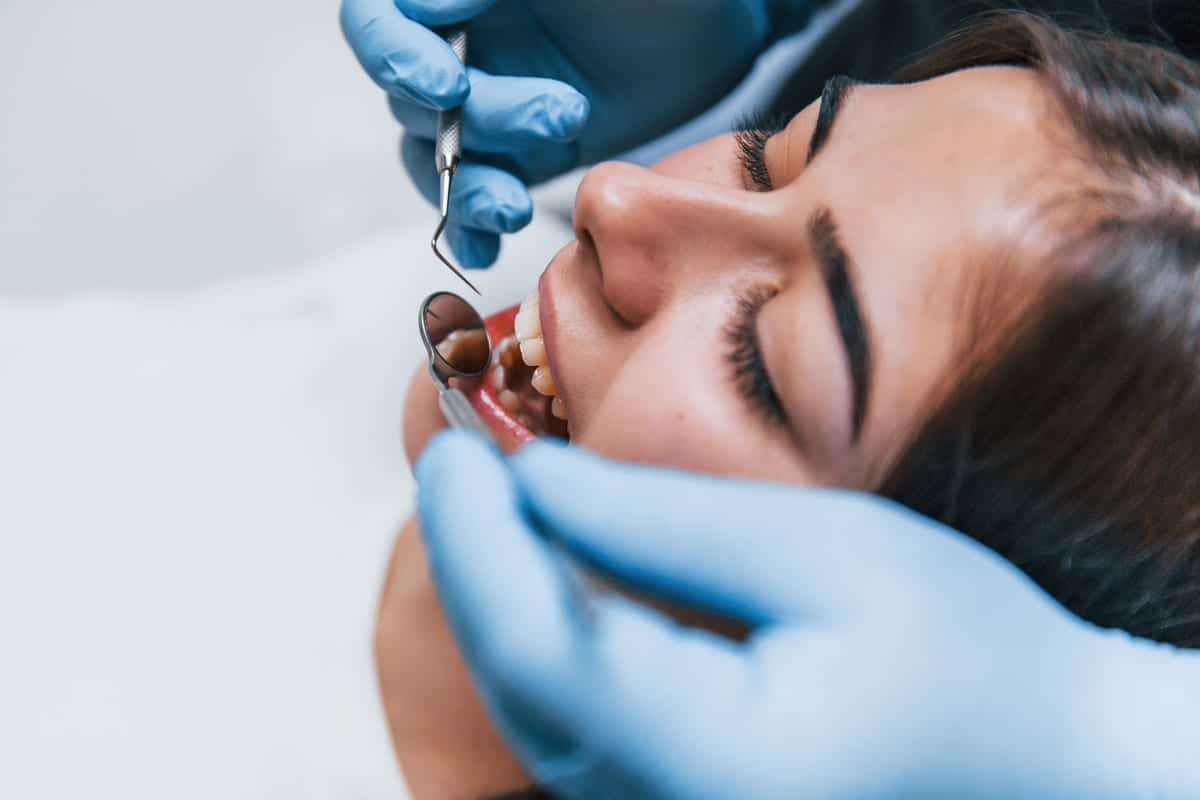
A proper diagnosis involves more than simply looking at the gums.
At Scruggs Family Dentistry, we evaluate:
- Gum tissue health
- Bleeding patterns
- Pocket measurements around the implant
- Implant stability
- Bone levels visible on imaging
- Bite alignment and chewing forces
These findings help determine whether the issue involves inflammation, infection, mechanical stress, or a combination of factors.
The treatment recommendation depends entirely on what is causing the symptoms.
What Treatment Might Involve
Many patients are relieved to learn that early intervention often prevents more extensive procedures later.
Depending on the diagnosis, treatment may include:
- Professional implant cleaning
- Bacterial decontamination
- Improved home-care techniques
- Bite adjustments
- Antimicrobial therapies
- Management of surrounding gum disease
In advanced situations involving substantial bone loss, additional procedures may be necessary to protect long-term implant stability.
For individuals with dental implants, Shreveport patients choose for durability and function; regular monitoring plays a major role in preventing these complications from reaching advanced stages.
Concerned About Changes Around Your Implant?
If you’re noticing swelling, bleeding, tenderness, or discomfort around an implant, the team at Scruggs Family Dentistry can help determine what’s causing the problem and whether treatment is needed. Dr. Scruggs has extensive experience diagnosing implant-related concerns and developing personalized treatment plans designed to protect long-term oral health.
Call Scruggs Family Dentistry today to schedule an evaluation before a minor issue becomes a more complicated one.
When swelling, bleeding, or discomfort develops around an implant, we encourage patients not to assume the worst and not to ignore the warning signs. With a proper evaluation, we can identify the underlying cause, explain the available treatment options, and help protect the health of your smile for years to come.
Frequently Asked Questions
Is bleeding around a dental implant ever normal?
Occasional irritation can occur, but recurring bleeding should be evaluated because it often indicates inflammation or infection.
Can an implant infection go away on its own?
Most implant infections do not resolve without professional treatment and may worsen over time.
How do I know if my implant is infected?
Common warning signs include swelling, bleeding, tenderness, bad taste, gum recession, and discomfort when chewing.
Does pain always mean implant failure?
No. Many implant-related symptoms result from treatable conditions that do not require implant removal.
Can implant infections spread?
Yes. Untreated infections may affect the surrounding gums and supporting bone.
Why does my implant hurt years after placement?
Late symptoms can develop due to infection, gum disease, bite changes, or other factors affecting the tissues around the implant.
Should I wait to see if symptoms improve?
Persistent swelling, bleeding, or pain should be evaluated promptly rather than monitored indefinitely.
Can a loose implant be saved?
The answer depends on the cause and extent of bone loss. Early intervention generally offers the best chance of preserving the implant.