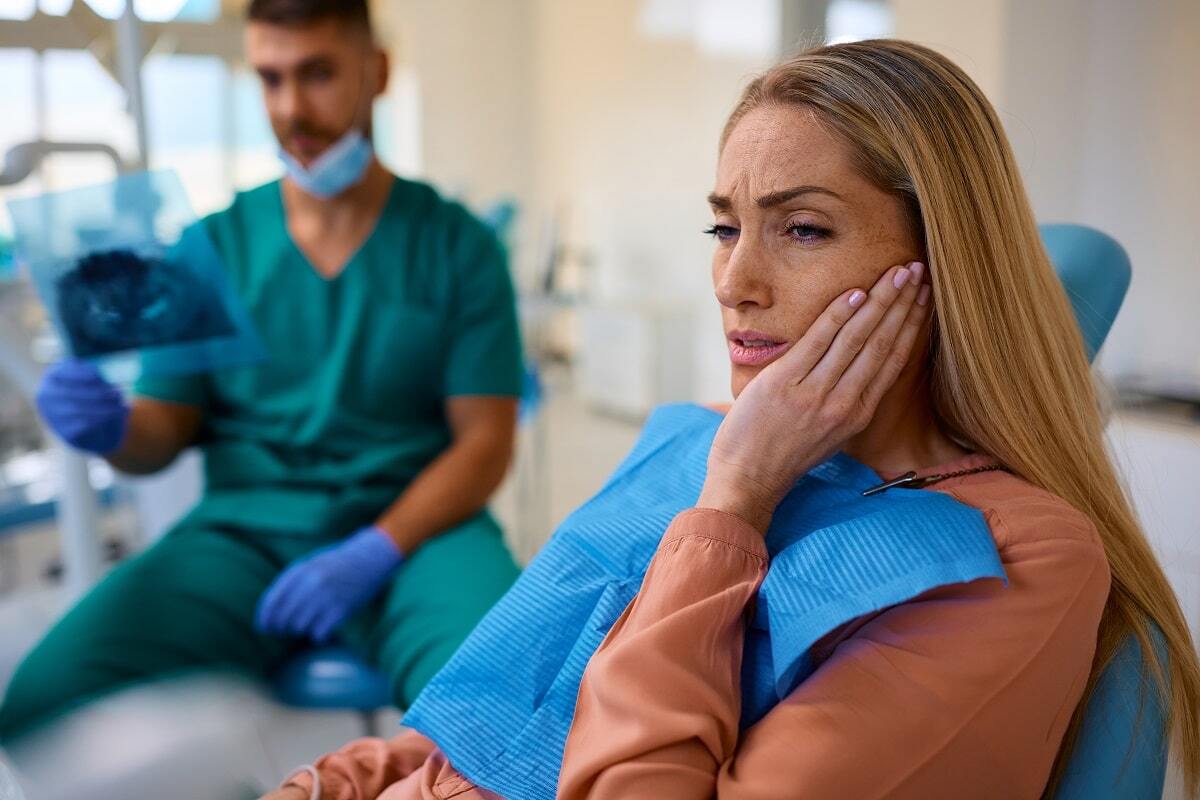
For many people in Shreveport, Bossier City, Blanchard, Greenwood, and nearby communities, dental implants provide a reliable way to restore a missing tooth. So, it can be alarming to notice swelling, tenderness, or bleeding around an implant months—or even years—after treatment. While these symptoms don’t always mean the implant has failed, they should never be ignored. In many cases, prompt evaluation and treatment can stop an infection before it causes permanent damage.
Dr. Scruggs of Scruggs Family Dentistry has extensive experience restoring and maintaining healthy smiles through comprehensive implant care. He believes that clear communication, early diagnosis, and personalized treatment plans help patients make informed decisions. If you have concerns about your dental implant, don’t wait. Contact or call 318.450.6456 Scruggs Family Dentistry to schedule an evaluation and receive personalized care.
The Good News: Many Implant Infections Can Be Treated Successfully
One of the first questions patients ask is, “Will I lose my implant?”
Fortunately, not always.
Whether an infected implant can be saved depends less on how uncomfortable it feels and more on how much supporting bone has been affected before treatment begins. An infection caught early may involve only the surrounding gum tissue. Once bacteria begin destroying the bone that anchors the implant, treatment becomes more complex.
One encouraging pattern dentists often see is that patients who seek care after noticing the first signs of bleeding or swelling generally have more treatment options than those who wait until the implant feels loose.
Why Infections Develop Even Around Artificial Teeth
Unlike natural teeth, implants cannot develop cavities. However, the surrounding gum and bone remain vulnerable to bacterial buildup.
Daily plaque accumulation, difficulty cleaning around the implant, smoking, uncontrolled diabetes, grinding or clenching, and infrequent professional cleanings can all increase the risk of infection. Sometimes the issue develops gradually with almost no discomfort, which is why patients are often surprised when X-rays reveal bone changes.
Patients searching for dental implants in Shreveport often assume that once an implant heals, it requires little maintenance. In reality, implants benefit from routine examinations just like natural teeth because healthy surrounding tissue is what keeps them stable.
The Warning Signs That Shouldn’t Be Ignored
Many people expect severe pain if an implant becomes infected. In practice, dentists frequently see the opposite.
An infection may begin with subtle changes, including:
- Bleeding while brushing around the implant
- Persistent redness of the surrounding gums
- Swelling that doesn’t improve
- Bad taste or drainage near the implant
- Tenderness when chewing
- Gum recession exposing more of the implant
- An implant that suddenly feels different when biting
The most concerning sign is mobility. If the implant itself feels loose rather than the crown attached to it, immediate evaluation is important because this often indicates loss of supporting bone.
Why Waiting Can Change Your Treatment Options
A common mistake is assuming the irritation will disappear after a few days of brushing more carefully.
While improved hygiene helps remove surface plaque, it cannot eliminate bacteria that have already spread beneath the gumline.
Dentists often see patients who delayed care because the discomfort seemed minor. By the time they schedule an appointment, inflammation has progressed enough to require more extensive treatment than would have been necessary only a few weeks earlier.
This doesn’t mean every sore implant is an emergency, but persistent symptoms deserve professional evaluation rather than home remedies alone.
What Your Dentist Looks for During an Evaluation
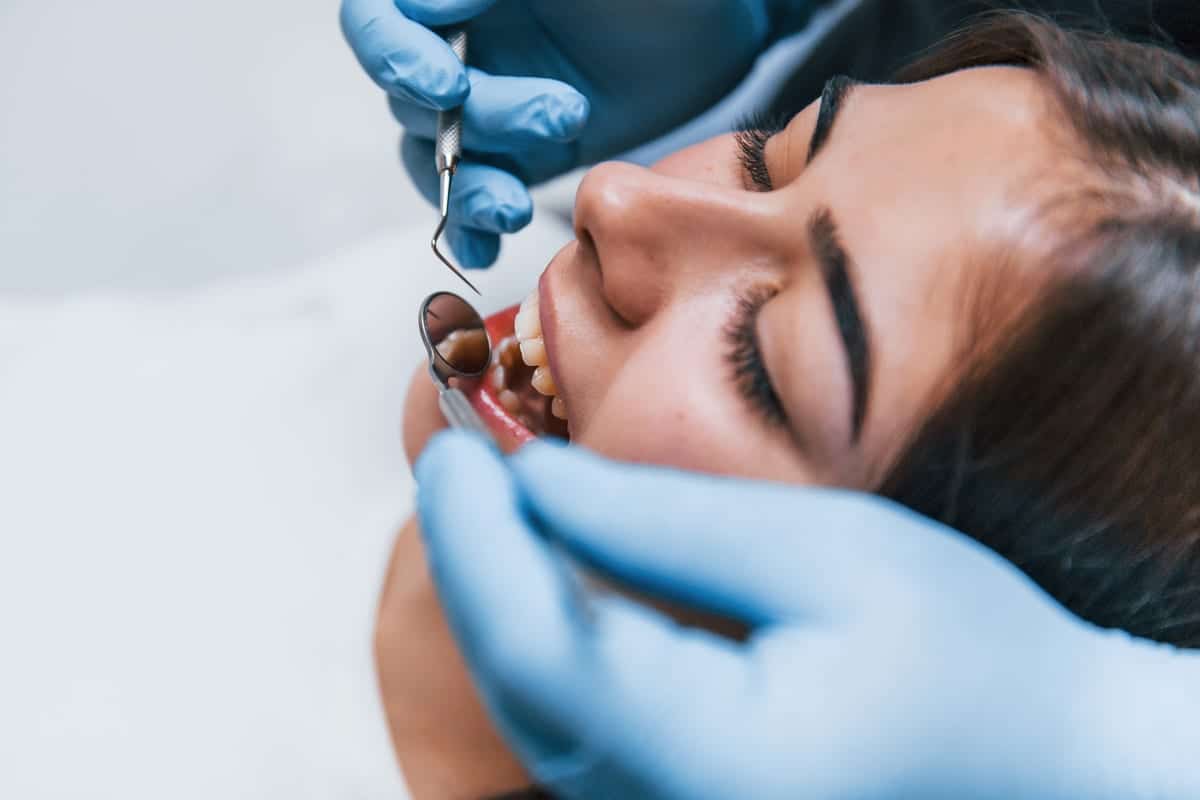
Patients are often surprised that diagnosing an implant infection involves much more than simply looking at the gums.
Your dentist may evaluate:
- Whether the bleeding occurs during gentle probing
- The depth of the pockets around the implant
- Bone levels visible on digital X-rays
- The stability of the implant
- The condition of the crown and surrounding bite
- Signs of excess biting pressure or nighttime grinding
Sometimes what appears to be an infection is actually irritation from trapped food, a poorly fitting restoration, or excessive bite force. Identifying the actual source allows treatment to address the underlying problem instead of simply managing symptoms.
Treatment Isn’t the Same for Every Infection
There is no single remedy that works for every implant infection.
If inflammation is limited to the soft tissues, your dentist may recommend professional cleaning around the implant, antibacterial therapy, improved home care techniques, and more frequent maintenance visits.
If bacteria have begun affecting the supporting bone, treatment may involve specialized cleaning procedures beneath the gums, antimicrobial medications, or surgical therapy designed to reduce bacterial contamination and preserve healthy bone.
Only in situations where bone loss has become too extensive or the implant has lost stability, might removal become the most predictable option.
Patients researching tooth replacement options near Shreveport are often relieved to learn that treatment decisions are based on preserving healthy tissue whenever possible rather than automatically replacing the implant.
Small Habits That Make a Big Difference After Treatment
Successful treatment doesn’t end when the infection improves.
Dentists frequently notice that patients who keep their implants healthy over many years usually share several habits:
- They attend routine professional cleanings.
- They clean around implants using techniques recommended by their dentist.
- They report bleeding instead of assuming it’s normal.
- They wear a nightguard if grinding is damaging their restorations.
- They manage health conditions that may affect healing.
These everyday habits reduce the chance that bacteria will regain a foothold around the implant.
Don’t Let Fear Delay the Conversation
Some patients postpone scheduling an appointment because they worry they’ll immediately be told the implant must come out.
In reality, the goal is almost always to preserve the implant whenever it can remain healthy and functional. Early intervention gives your dentist the greatest opportunity to control infection while protecting the surrounding bone.
Even if treatment becomes more involved, understanding the condition early allows you to make informed decisions before additional complications develop.
Protect Your Implant Before Minor Problems Become Major Ones
If you’ve noticed swelling, bleeding, discomfort, or other changes around your implant, don’t wait to see if the problem resolves on its own. Dr. Scruggs and the team at Scruggs Family Dentistry provide thorough implant evaluations to identify the cause of your symptoms and recommend treatment tailored to your needs. Contact us today to schedule an appointment and take the next step toward protecting your smile.
Protecting an implant often comes down to recognizing subtle changes and responding before they become more serious. By seeking timely care, maintaining regular dental visits, and following personalized recommendations, we can often preserve healthy function and help keep your smile strong for years to come.
Frequently Asked Questions
Can an infected dental implant heal on its own?
No. While mild irritation may temporarily improve, bacterial infections affecting the tissues around an implant generally require professional evaluation and treatment.
Can antibiotics alone cure an implant infection?
Not usually. Antibiotics may help reduce bacteria, but they often need to be combined with professional cleaning or other procedures to address the source of the infection.
How quickly can an implant infection become serious?
Progression varies from person to person. Some infections remain mild for months, while others lead to noticeable bone loss more quickly, especially when risk factors such as smoking or uncontrolled diabetes are present.
Is bleeding around an implant always a sign of infection?
Not always. Bleeding can result from irritation or inadequate cleaning, but persistent bleeding should be evaluated because it may be an early sign of inflammation.
What happens if the implant feels loose?
A loose implant should be examined promptly. Movement may indicate significant loss of supporting bone or another issue requiring immediate attention.
Can dental implants become infected years after placement?
Yes. Even implants that have functioned well for many years can develop infections if bacteria accumulate around the surrounding tissues.
Will removing the crown fix the infection?
No. The crown is rarely the source of the infection. Your dentist must determine whether the surrounding gum, bone, or implant itself is affected.
How often should dental implants be professionally checked?
Most patients benefit from examinations and professional cleanings every six months, although some individuals with higher risk factors may require more frequent maintenance.