You brush twice a day. You floss regularly. You use a great toothpaste. So why does your dentist still find buildup at every visit? Understanding why your toothbrush can’t remove tartar — but we can in Shreveport — is one of the most important things a dental patient can learn. Once plaque hardens into tartar, no amount of brushing will get it off. Only a trained dental professional can safely and effectively remove it.
What Is Tartar and How Does It Form in Shreveport Smiles?
Tartar starts out as something much more manageable: plaque. Plaque is a soft, sticky film of bacteria that forms on your teeth every day. You can remove plaque at home with consistent brushing and flossing.
The problem begins when plaque is not fully removed. Within 24 to 72 hours, plaque begins to mineralize. It absorbs calcium and other minerals from your saliva and hardens into tartar — also called calculus.
Once tartar forms, it bonds tightly to your enamel. It can also work its way below the gumline. At that point, your toothbrush simply cannot reach it or break it down. This is not a failure of effort — it is just chemistry.
Why Your Toothbrush Can’t Remove Tartar (No Matter How Hard You Try)
Many patients in Shreveport assume brushing harder or longer will solve the problem. Unfortunately, that is not how tartar works. Tartar is not soft like plaque. It is a calcified deposit that acts almost like concrete on your tooth surface.
Here is why home tools cannot remove tartar:
- Toothbrush bristles are too soft to break down calcified deposits
- Over-the-counter tools lack the precision to remove tartar safely
- Tartar often forms below the gumline where brushing cannot reach
- Scraping at tartar at home can damage enamel or irritate gum tissue
- Some tartar forms in tight spaces between teeth that brushes miss entirely
This is why regular professional cleanings are not optional — they are essential. Even the most dedicated brusher will accumulate tartar over time. Dr. Scruggs and the team at Scruggs Family Dentistry see this every day with patients of all ages.
What a Professional Cleaning Actually Removes
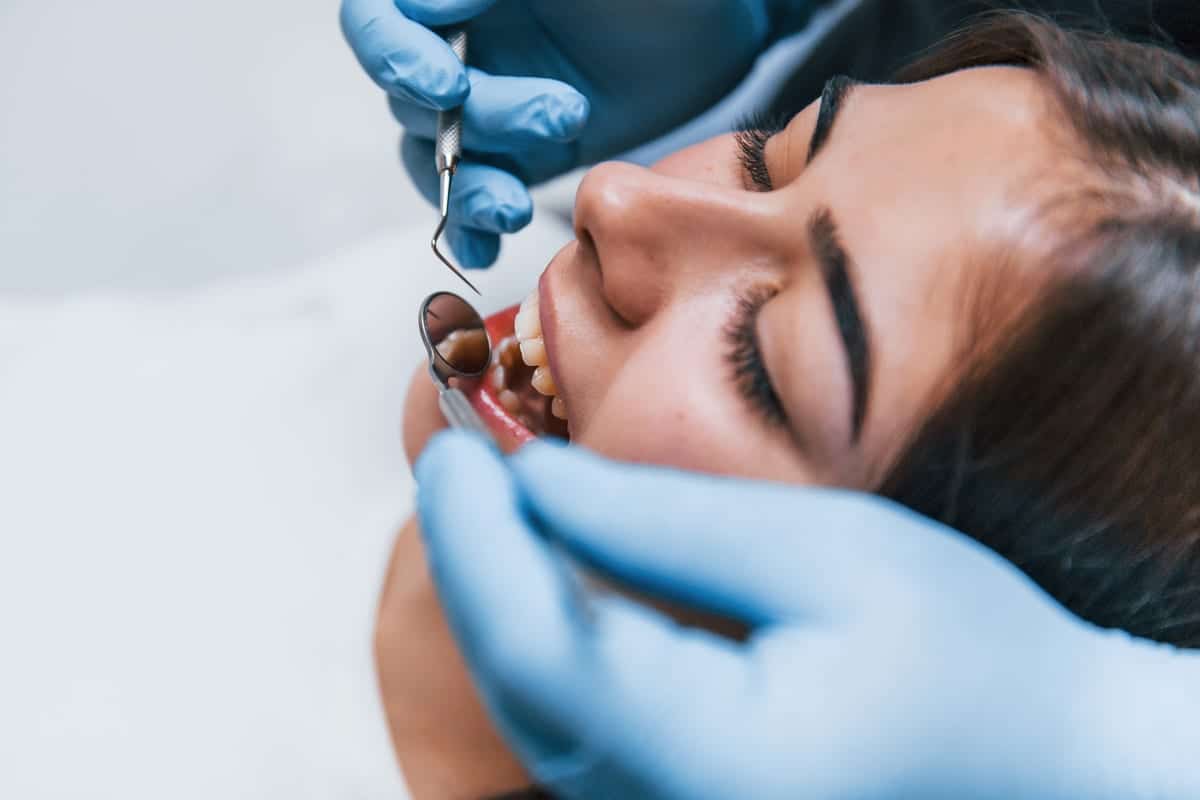
A professional dental cleaning goes far beyond what your toothbrush does each morning. During your visit, a dental hygienist uses specialized instruments to carefully remove deposits your home routine leaves behind.
Here is what gets removed during a professional cleaning:
- Supragingival tartar — buildup above the gumline that is visible on tooth surfaces
- Subgingival tartar — hardened deposits hiding below the gumline in the gum pocket
- Stubborn plaque — soft buildup in areas your brush consistently misses
- Surface stains — discoloration from food, coffee, and everyday wear
- Bacterial biofilm — thin layers of bacteria that contribute to decay and gum disease
After scaling, your hygienist polishes the tooth surfaces. This removes remaining stains and leaves teeth smooth. Smooth surfaces are actually harder for new plaque to cling to, which gives you a head start between visits.
For patients with significant buildup below the gumline, Dr. Scruggs may recommend a deeper cleaning called scaling and root planing. This targets bacterial deposits that have settled deep into the gum tissue.
What Happens When Tartar Goes Unremoved
Leaving tartar in place creates serious consequences over time. It is not just a cosmetic issue. Tartar is porous and rough, which makes it a perfect surface for more bacteria to accumulate. This accelerates decay and gum disease quickly.
Tartar buildup is one of the leading causes of gingivitis — the early stage of gum disease. Symptoms include red, swollen, or bleeding gums. Many Shreveport patients are surprised to learn that those symptoms are not normal. They are warning signs.
If gingivitis is left untreated, it can advance to periodontitis — a serious infection that damages the bone supporting your teeth. At that stage, treatment becomes more involved. Prevention is always the better path.
Children are not immune to these risks either. At Scruggs Family Dentistry, we provide pediatric dental care designed to catch buildup early and teach kids healthy habits. We also offer Dental Sealants Shreveport families trust to protect young teeth from decay before it starts.
How Often Should You Come In for a Cleaning in Shreveport?
Most patients do best with professional cleanings every six months. This schedule keeps tartar from building up to a level that causes damage. It also gives Dr. Scruggs the opportunity to catch small problems before they become large ones.
Some patients need cleanings more frequently. If you have a history of gum disease, diabetes, or heavy tartar buildup, Dr. Scruggs may recommend visits every three to four months. This is called a periodontal maintenance schedule.
If you are experiencing tooth pain, swelling, or other sudden symptoms between visits, do not wait. These could signal something that needs immediate attention. Emergency Dental Care Shreveport patients need is available through our office when unexpected issues arise.
Simple Steps to Slow Tartar Buildup Between Visits
While you cannot remove tartar at home, you can slow how quickly it forms. Good home care makes a real difference in how much buildup accumulates between your professional cleanings.
Try these habits to keep your teeth cleaner longer:
- Brush for two full minutes, twice a day, using a soft-bristled brush
- Use a tartar-control toothpaste with fluoride
- Floss at least once daily to remove plaque between teeth
- Rinse with an antibacterial mouthwash to reduce bacterial load
- Drink plenty of water to wash away food debris and bacteria
- Limit sugary snacks and drinks, which feed plaque-causing bacteria
These habits will not replace professional cleanings. But they will give your hygienist less to work with at each visit — and that is always a good thing.
Conclusion: Your Cleanest Smile Starts at Scruggs Family Dentistry
Understanding why your toothbrush can’t remove tartar — but we can in Shreveport — helps you see professional cleanings in a new light. They are not just a routine box to check. They are the only way to remove hardened deposits that threaten your gum health and tooth structure.
At Scruggs Family Dentistry, Dr. Scruggs and our team provide thorough, gentle cleanings for patients of all ages. Whether you are bringing in a child for their first checkup or coming in yourself after a long gap, we are here without judgment. We focus on education, comfort, and helping every Shreveport patient maintain a healthy smile for life.
Your smile deserves more than a toothbrush can offer. Book Now to schedule your appointment with our team.
Frequently Asked Questions
Can I remove tartar at home with special tools?
It is not recommended. Home dental tools lack the precision of professional instruments and can scratch enamel or damage gum tissue. Attempting to scrape tartar at home can create rough surfaces that attract even more plaque. A professional cleaning is the safest and most effective way to remove tartar.
How long does it take for plaque to turn into tartar?
Plaque can begin hardening into tartar in as little as 24 to 72 hours. That is why daily brushing and flossing are so important — they remove soft plaque before it has a chance to mineralize. Once tartar forms, only a dental professional can remove it.
Is tartar buildup painful?
Tartar itself is not always painful, which is why many patients do not realize it is there. However, the gum irritation and infection it can cause — like gingivitis or periodontitis — can lead to soreness, bleeding, and sensitivity. Regular checkups help catch buildup before symptoms develop.
Does tartar cause bad breath?
Yes. Tartar is porous and harbors bacteria, which produce odor-causing compounds. Patients with significant tartar buildup often notice persistent bad breath even after brushing. A professional cleaning removes those bacterial deposits and helps freshen breath at the source.
What is the difference between a regular cleaning and a deep cleaning?
A regular cleaning removes tartar and plaque from above and just below the gumline. A deep cleaning — called scaling and root planing — targets deposits that have settled deeper into the gum pockets around tooth roots. Dr. Scruggs will recommend the right type of cleaning based on the health of your gums and the amount of buildup present.