Blog Summary
Sticking to a six-month dental visit routine can quietly shape your oral health over time—often in ways patients don’t notice until something goes wrong. From catching early warning signs to keeping everyday comfort intact, consistent preventive care helps reduce avoidable problems. For Shreveport residents balancing busy schedules and family life, these routine visits play a bigger role than many realize. This guide explains what changes before and after consistency becomes a habit—and why it matters long term.
A common misconception is that daily brushing and flossing fully protect against oral health issues. While home care is essential, it can’t reach everything—especially along the gumline and between teeth where bacterial buildup quietly develops.
Over time, soft residue hardens and becomes difficult to remove without professional tools. Left undisturbed, this buildup increases the risk of gum irritation, enamel weakening, and lingering inflammation. Many patients don’t feel discomfort right away, which is why problems often surface later and feel sudden.
Ready to Save Your Smile? Call Today!

We’re glad you took the time to learn more about this topic, and we hope it reassures you that informed, timely care plays an important role in protecting your long-term oral health.
At Scruggs Family Dentistry, Dr. Scruggs and Dr. Rae Scruggs focus on prevention, comfort, and clear communication, especially for patients who feel anxious about dental visits. Their approach centers on helping patients understand what’s happening in their mouths and why timing matters, without pressure or upselling. Many local patients appreciate the calm, supportive environment and the emphasis on long-term oral stability rather than short-term fixes.
If something doesn’t feel right—whether it’s sensitivity, swelling, or discomfort—seeking guidance early often leads to simpler care and greater peace of mind. A consultation is always available if you’d like clear answers and professional guidance.
Why “I Brush and Floss” Isn’t Always Enough
A common misconception is that daily brushing and flossing fully protect against oral health issues. While home care is essential, it can’t reach everything—especially along the gumline and between teeth where bacterial buildup quietly develops.
Over time, soft residue hardens and becomes difficult to remove without professional tools. Left undisturbed, this buildup increases the risk of gum irritation, enamel weakening, and lingering inflammation. Many patients don’t feel discomfort right away, which is why problems often surface later and feel sudden.
The Emotional and Functional Impact of Staying Consistent
Patients who maintain a six-month visit rhythm often describe subtle but meaningful differences:
-
Less tenderness during visits
-
Fewer surprises during exams
-
More confidence in daily comfort and breath freshness
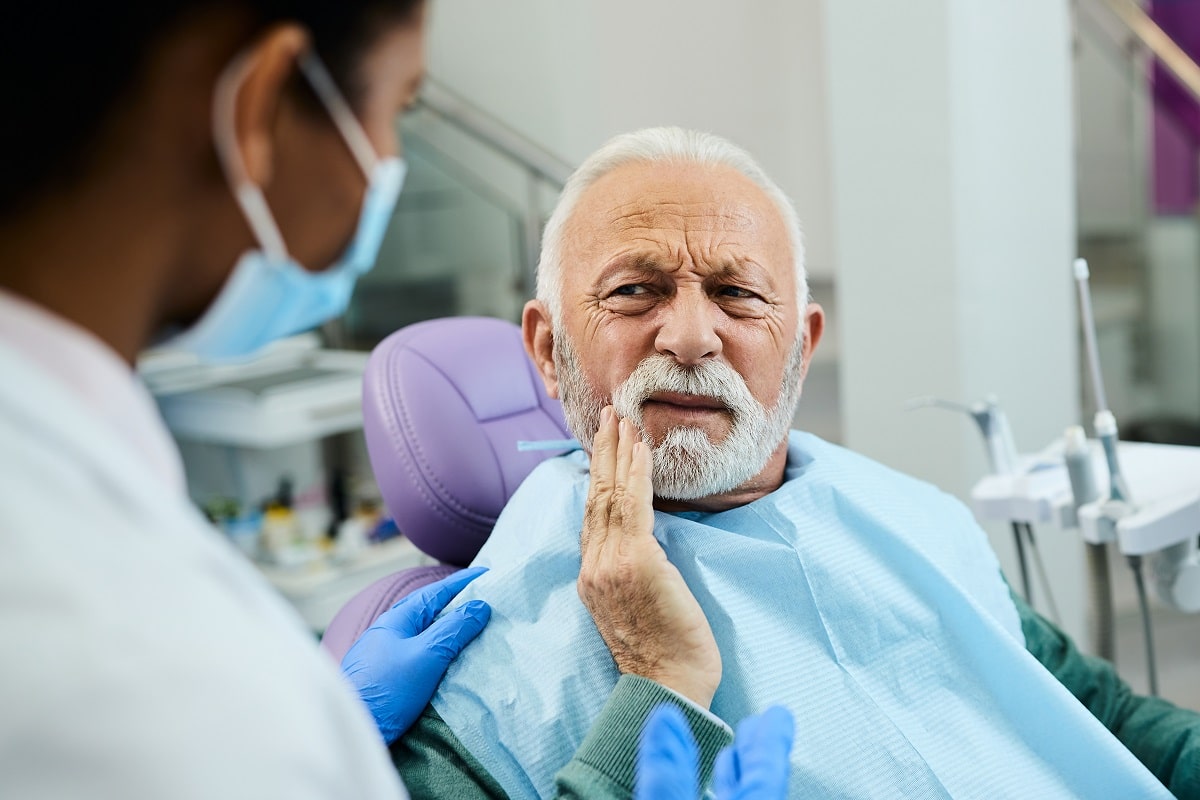
By contrast, those who skip preventive visits frequently experience longer appointments, more sensitivity, and unexpected treatment discussions. Consistency helps keep appointments predictable and low-stress—especially helpful for patients with dental anxiety.
Before vs. After: What Patients Often Notice
Before consistency
-
Bleeding gums during brushing
-
Occasional jaw soreness or sensitivity
-
Anxiety about “what they’ll find.”
After consistency
-
Healthier-looking gums
-
Shorter, more comfortable visits
-
Clear understanding of their oral health status
These changes don’t happen overnight—but they build quietly with routine care.
How Often Should Adults Visit the Dentist?
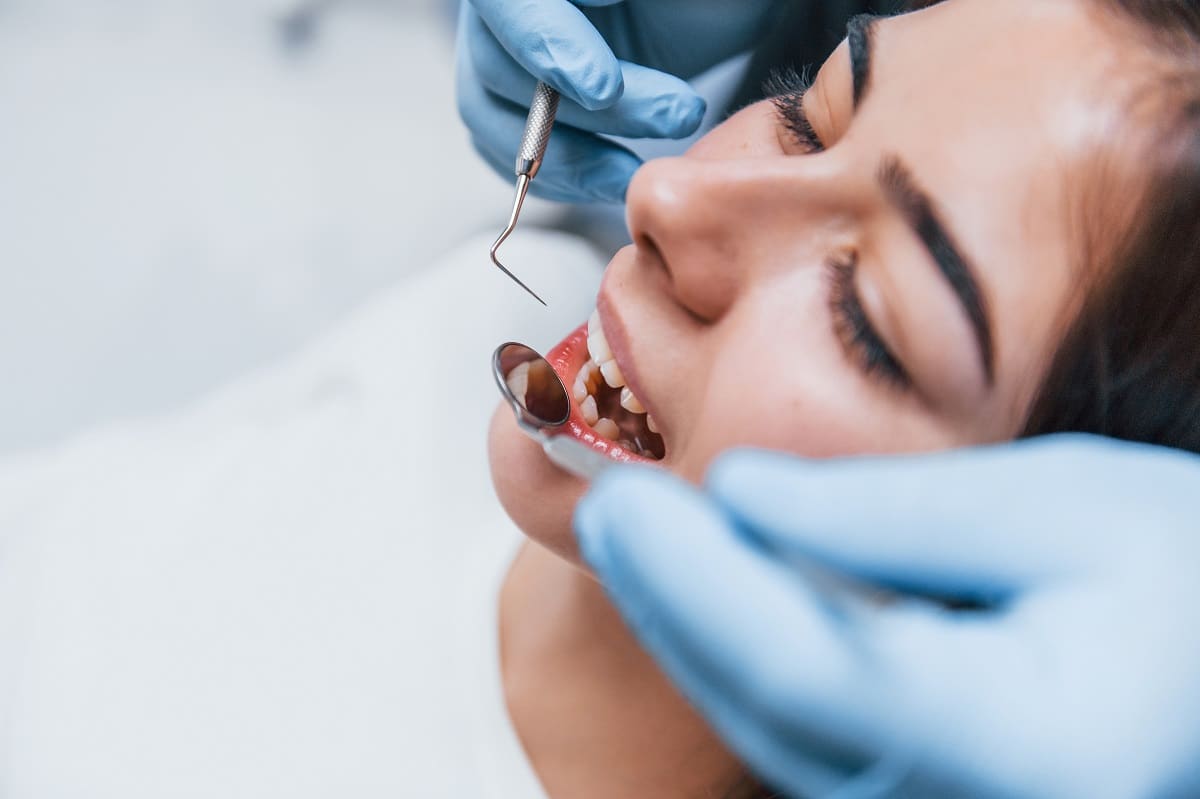
Most adults benefit from dental visits in Shreveport about every six months. This schedule allows dental professionals to manage buildup that daily brushing can’t remove, monitor gum health, and identify early changes before they become painful or complex.
As one patient recently shared-
“Absolutely amazing! I have a huge fear of the dentist and I couldn’t be happier finding Scruggs. The hygienist made me feel so incredibly comfortable, I’m actually looking forward to my next appointment. Every single person I had contact with was very nice. I will HIGHLY recommend Scruggs!!” — A. Cioffi
Practical Ways to Get the Most From Routine Dental Visits
You can support long-term oral health between visits with simple, patient-friendly habits:
-
Use a soft-bristled toothbrush and replace it every 3–4 months
-
Clean between teeth daily, using floss or interdental brushes
-
Stay hydrated, especially in warmer Shreveport months when dry mouth is more common
-
Mention sensitivity or bleeding early, even if it seems minor
-
Keep visits consistent, even when nothing “feels wrong”
Public health guidance consistently shows that preventive care lowers the risk of advanced gum issues and tooth loss over time—especially when paired with steady home routines.
Supporting Long-Term Oral Health With Confidence
A six-month dental visit habit isn’t about perfection—it’s about prevention, comfort, and staying ahead of issues that often start silently. For Shreveport residents juggling work, school, and family life, these routine check-ins help keep oral health manageable and predictable.
If you’re ready to talk through your oral health goals or simply want clarity on where things stand, Dr. Scruggs and Dr. Rae Scruggs at Scruggs Family Dentistry welcome thoughtful, pressure-free conversations. Scheduling a consultation can be a calm first step toward maintaining a healthier smile over time.
FAQs
How often should adults schedule routine dental visits?
Most adults benefit from visits approximately every six months to manage buildup and monitor gum health.
Do regular dental visits help prevent gum problems?
Yes. Consistent preventive visits help control bacteria and identify early signs of gum irritation.
Are routine dental visits uncomfortable?
Most patients find them comfortable, especially when visits are kept consistent and buildup is minimal.
Can anxious patients still benefit from regular visits?
Absolutely. Consistency often reduces anxiety by keeping appointments predictable and shorter.
Is preventive dental care important even without pain?
Yes. Many oral health issues begin without pain, making preventive monitoring essential.