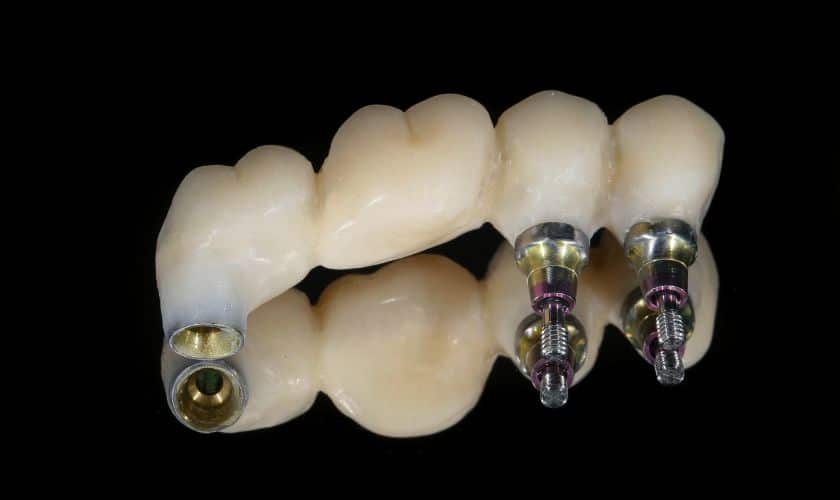
In restorative dentistry, dental crowns are essential because they provide answers for a variety of dental problems, from structural damage to aesthetic flaws. Advanced dental crown treatments are available in Shreveport, Louisiana, for those who want to restore the aesthetic appeal and functionality of their mouths. Let’s explore dental crowns, including their varieties, advantages, application, aftercare, and more.
Introduction to Dental Crowns
Caps, another name for dental crowns, are prosthetics that are affixed on weak or broken teeth. They strengthen teeth, make them look better, and improve their functioning, among other things. The form, size, and color of these specially created restorations are intended to resemble those of real teeth, guaranteeing a smooth transition with the surrounding dentition.
Types of Dental Crowns
- Porcelain Crowns: The natural look of porcelain crowns is well known, since they imitate the translucency of tooth enamel. Because of their attractive appearance, they are the best option for repairing front teeth.
- Ceramic Crowns: Like porcelain crowns, ceramic crowns are very biocompatible and have superb aesthetics. People who are allergic to or sensitive to metals often choose them.
- Metal Crowns: Metal crowns are extremely strong and resistant to deterioration. They are usually constructed of alloys of gold or silver. Because of their robustness, they are frequently suggested for molar restorations even if they are less visually attractive.
- Porcelain-fused-to-metal Crowns: Crowns made of porcelain fused to metal combine the natural aesthetics of porcelain with the strength of metal, making them appropriate for usage on both front and back teeth.
When Are Dental Crowns Needed?
Dental crowns are recommended in various scenarios, including:
- Protecting a weakened tooth from further damage
- Restoring a broken or fractured tooth
- Covering a tooth with a large filling
- Improving the appearance of a misshapen or discolored tooth
- Supporting a dental bridge
The Procedure for Getting Dental Crowns
- Consultation and Examination: In order to evaluate the tooth’s condition and establish if a crown is appropriate, the procedure starts with a comprehensive examination by a dentist. It is possible to assess the degree of damage with X-rays.
- Tooth Preparation: The dentist numbs the region and reshapes the tooth to fit the crown during the tooth preparation process. In order to make room for the crown, some enamel must be removed.
- Impression Taking: Dental putty or digital scanning technology is used to obtain an imprint of the prepared tooth. This imprint is used to create a mold from which the bespoke crown is made.
- Crown Placement: When the crown is ready, the dentist gently places and cements it onto the prepared tooth using a dental laboratory. To guarantee an appropriate fit and bite, any required modifications are performed.
Benefits of Dental Crowns
- Restoring Functionality: Dental crowns enable for the restoration of the structural integrity of broken teeth, restoring the ability to talk and eat normally.
- Enhancing Aesthetics: Thanks to developments in dental materials, crowns may now be made to match neighboring teeth in terms of size, color, and form, giving the appearance of a genuine smile.
- Providing Protection: Crowns give teeth that are weak or compromised an additional layer of defense, lowering the possibility of further decay or injury.
Aftercare and Maintenance of Dental Crowns
Maintaining good oral hygiene is essential for the longevity of dental crowns. This includes:
- Brushing twice a day with fluoride toothpaste
- Flossing daily to remove plaque and debris
- Avoiding hard or sticky foods that may damage the crown
- Regular dental check-ups every six months
Cost Considerations for Dental Crowns
The material chosen, the intricacy of the procedure, and the dentist’s location are some of the variables that affect dental crown prices. Porcelain and ceramic crowns are often more costly than metal crowns.
Advancements in Dental Crown Technology
The creation of CAD/CAM technology, which enables the manufacturing of crowns in a single dental visit, is the result of recent developments in dental crown technology. With the use of this technology, conventional imprints and temporary crowns are no longer necessary, providing convenience and accuracy.
Risks and Complications Associated with Dental Crowns
While dental crowns are generally safe and effective, there are some risks and complications to be aware of, including:
- Tooth Sensitivity
- Allergic reactions to materials
- Crown fracture or dislodgment
- Decay or gum disease at the crown margin
In conclusion, Dental crowns provide a flexible way to repair teeth that are impaired or injured, improving their appearance as well as their functionality. People in Shreveport may now get high-quality dental crown treatments to get a beautiful, healthy smile thanks to developments in dental technology and materials.