People have a variety of alternatives when it comes to replacing lost teeth, and each has pros and downsides. Dentures and dental implants are two typical options for helping patients regain their smiles and functionality. We’ll go over the main distinctions between dental implants and dentures in this post so you can decide which is best for your particular situation.
Understanding Dentures
Dentures have been a dependable and affordable method of replacing lost teeth for many years. These are detachable prosthetic devices meant to replace either a partial or full set of teeth (complete dentures). Usually, acrylic, porcelain, or a mix of the two are used to make dentures.
Advantages of Dentures
- Affordability: Dentures are a sensible choice for people on a tight budget since they are often less expensive than dental implants.
- Non-invasive procedure: Having dentures is a less intrusive procedure than having dental implants. It entails making prostheses that are specially fitted using mouth imprints.
- Reversibility: Because dentures are reversible, they may be removed and put back in without requiring extensive surgery. They are a versatile choice for anyone looking into other dental treatments on the road.
Considerations for Dentures
- Aesthetics and Comfort: While contemporary dentures might seem quite realistic, some people can feel them less secure or pleasant than dental implants. Adjustments could be required to get a comfortable fit since dentures might irritate certain people.
- Maintenance: Dentures need to be cleaned and maintained regularly. They must be taken out and cleaned daily to stop germs and plaque from accumulating. Additionally, when the jaw’s form changes over time, it can require replacement or relining.
Understanding Dental Implants
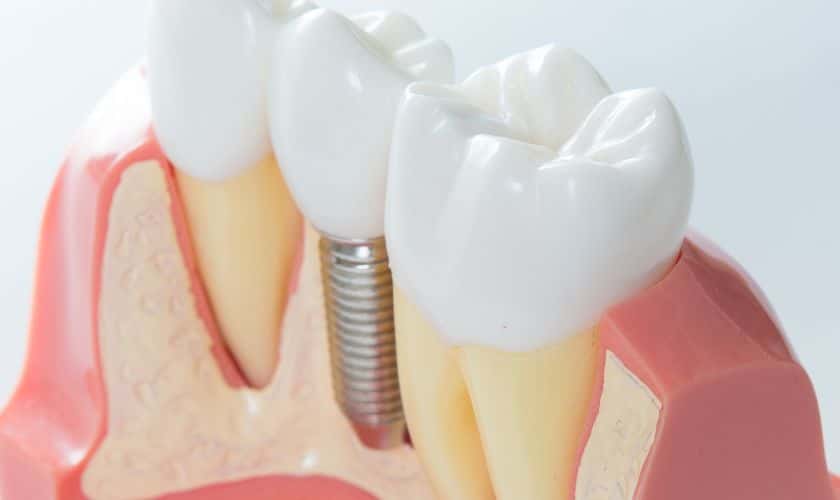
A more modern and sophisticated method of restoring lost teeth is using dental implants. Dental implants, which entail the surgical implantation of titanium posts into the jawbone, are a permanent and fixed treatment as opposed to dentures. These posts connect prosthetic teeth, such as crowns and bridges, as they function as fake tooth roots.
Advantages of Dental Implants
- Durability and Longevity: Dental implants are renowned for being strong and long-lasting. They offer a solid and dependable replacement for lost teeth and can last a lifetime with the right maintenance.
- Natural Feel and Appearance: Dental implants resemble real teeth in appearance and texture. Because they are firmly fixed into the jawbone, they operate and are stable, much like actual teeth.
- Preservation of Jawbone: Dental implants, as opposed to dentures, support the jawbone’s normal bone development, preserving it. This stops the jawbone from deteriorating, which happens while wearing regular dentures over time.
Read More: Dental Phobia Solutions: Embracing Gentle Dentistry in Shreveport
Considerations for Dental Implants
- Cost: Dentures are often less costly than dental implants. The initial outlay may be a major consideration for those with limited funds.
- Invasive Procedure: Oral surgery is required for dental implant placement. Thus, only some are good candidates. Certain people could not be qualified for dental implants because of the inadequate density of their jawbones or other medical issues.
- Time-Consuming Process: Dental implant implantation, healing, and prosthetic attachment are just a few of the phases of the lengthy procedure that can take several months. People who are looking for a quick fix might find dentures more enticing.
Making the Right Choice for You
Choosing between dentures and dental implants depends on various factors, including your budget, oral health, aesthetic preferences, and lifestyle.
Here are some key considerations to help guide your decision-making process:
- Budget: Dentures could be a more practical choice if price is a major consideration. Considering the durability and long-term advantages of dental implants and their initial cost is crucial.
- Oral Health: The appropriateness of dental implants is greatly influenced by the state of your oral health. Generally speaking, implant candidates with enough jawbone density and good dental health are preferable.
- Aesthetic Preferences: Dental implants could be the better option for those who prioritize having a natural appearance and feel. Compared to detachable dentures, they offer a more seamless solution and closely resemble real teeth.
- Convenience: Dentures’ non-invasive and reversible nature makes them a convenient option. Dentures may be the appropriate match for you if you want a more easy technique and the freedom to remove your prosthesis.
- Lifestyle Factors: Think about your lifestyle and how each option’s maintenance needs fit within it. After the initial healing phase, dental implants provide a lower maintenance option than dentures, which require frequent cleaning and care.
Conclusion
When deciding between dental implants and dentures, it’s crucial to recognize that there is no one-size-fits-all solution. Your choice should be based on your preferences and individual circumstances. You must speak with a professional dentist to evaluate your oral health, comprehend your goals, and choose the best plan of action for repairing your smile and enhancing your general quality of life.
Scruggs Family Dentistry is a trusted option for expert advice on dental care if you’re in the Shreveport area. Whether you are considering the durability and natural feel of dental implants or the cost and flexibility of dentures, their experienced team can guide you through the decision-making process.
For those seeking dental implants, exploring options beyond your immediate location is crucial. Consider establishments like Dental Implants Shreveport, where you can benefit from specialized expertise in dental implant procedures. They can customize solutions to fit your unique requirements and offer insights into recent developments.