Driving home after dental implant surgery, many patients around Shreveport, Bossier City, and Stonewall ask the same question before the numbness even wears off: “What am I supposed to eat now?” Some worry about damaging the implant, while others are more concerned about pain, swelling, or accidentally chewing on the surgical area. In reality, the first several days after implant placement can directly influence comfort, healing quality, and long-term stability. Food choices matter more than most people realize.
Patients recovering from dental implant surgery benefit from clear guidance, realistic healing expectations, and personalized aftercare recommendations to support comfortable, predictable healing. Patients with questions about recovery or implant treatment are encouraged to contact Scruggs Family Dentistry to schedule an appointment.
Why Eating Carefully Matters More Than Patients Expect
Dental implant surgery creates a controlled surgical site within the jawbone. While the implant itself is made from durable titanium, the surrounding gum tissue and bone need time to stabilize around it. During the early healing phase, aggressive chewing, excessive pressure, or irritating foods can disrupt clot formation and increase inflammation.
Many patients assume the implant itself is fragile. That is usually not the issue. The real concern is protecting the healing tissue around the implant while osseointegration begins. This is the process where the bone gradually bonds to the implant surface.
One mistake dentists frequently see is patients feeling “pretty good” after two or three days and returning too quickly to crunchy foods, sandwiches, chips, or tougher meats. Even when pain decreases, the surgical area is still vulnerable internally.
The First 24 Hours: Keep It Cold, Soft, and Minimal
The first day is primarily about protecting the surgical site and controlling swelling.
Most patients tolerate:
- Smooth yogurt
- Applesauce
- Protein shakes
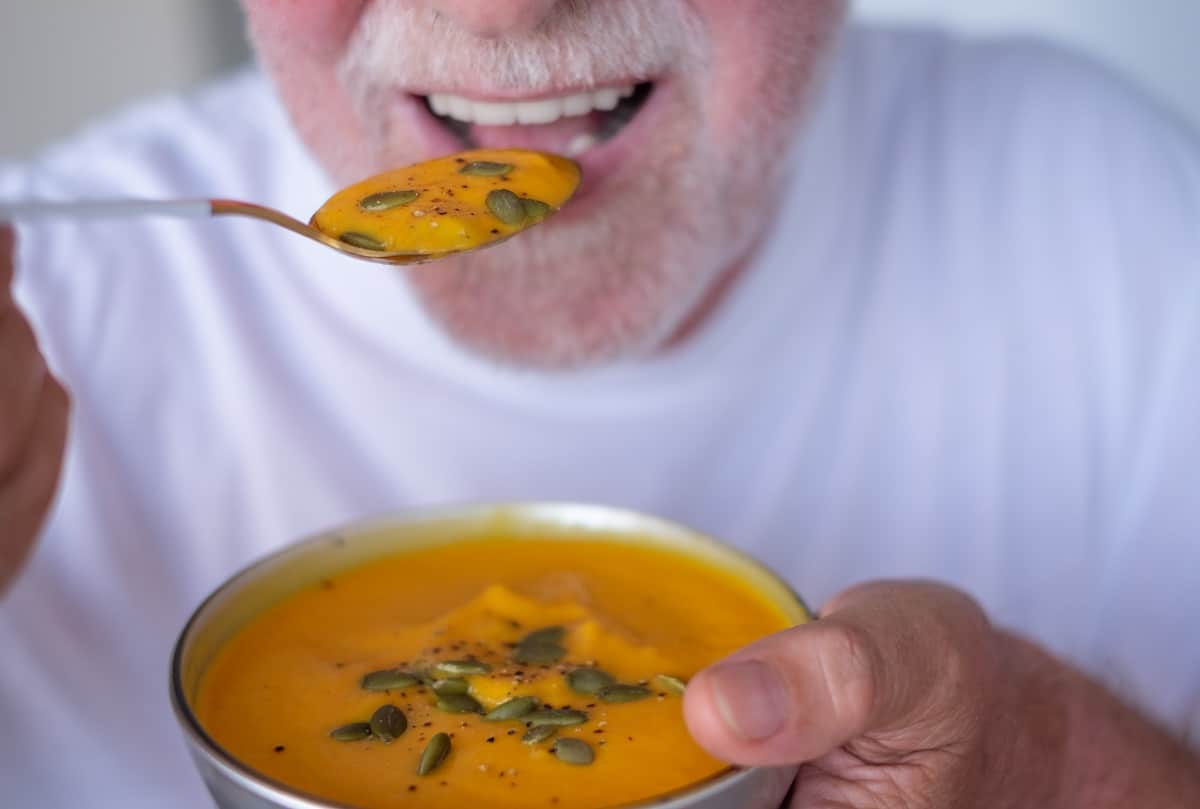
- Lukewarm soup
- Mashed potatoes
- Cottage cheese
- Ice cream without hard mix-ins
- Smooth smoothies eaten with a spoon instead of a straw
Using a straw is commonly discouraged because suction can disturb the healing area and increase bleeding risk.
Temperature matters too. Extremely hot foods and beverages can increase bleeding and irritation during the first several hours. Many patients are surprised that even hot coffee can trigger throbbing shortly after surgery.
Hydration is important, but patients should sip slowly and avoid carbonated beverages initially.
Days 2 Through 3: Patients Usually Feel Better Before They Are Fully Healed
This is the stage where many patients accidentally overdo things.
Swelling may peak around day two, but discomfort often becomes more manageable. Because of this, people frequently test foods they are not ready for yet. Dentists commonly hear stories about patients attempting pizza crust, burgers, tacos, or fried foods too early because “the pain wasn’t bad anymore.”
Safer foods during this period include:
- Scrambled eggs
- Oatmeal
- Soft pasta
- Rice
- Soft fish
- Avocado
- Bananas
- Macaroni and cheese
- Soft cooked vegetables
Chewing should be avoided from the implant site whenever possible.
Patients receiving multiple implants or bone grafting procedures may need a more restricted diet for longer. Recovery timelines are not identical for every case.
Many patients exploring dental implants in Shreveport for single-tooth replacement or full mouth restoration are often surprised to learn that recovery success depends heavily on post-operative habits, not just the procedure itself.
Days 4 Through 7: Gradual Improvement Does Not Mean “Back to Normal”
Around the one-week mark, many patients notice reduced swelling and improved chewing comfort. This is often when confidence returns too quickly.
Foods can gradually become more substantial, but texture still matters. Tender chicken, soft breads, pancakes, cooked vegetables, and softer proteins are usually manageable if eaten carefully.
However, several foods still create unnecessary risk:
- Chips
- Nuts
- Popcorn
- Crusty bread
- Steak
- Crunchy vegetables
- Sticky candy
- Seeds
Tiny food particles getting trapped near the implant site are another issue that patients do not always anticipate. Popcorn kernels and seeded foods commonly irritate healing tissue.
One clinical pattern dentists observe is patients trying to “chew normally” on the surgical side to test whether healing is complete. This often leads to soreness returning temporarily.
What Patients Often Get Wrong About “Soft Foods”
Soft foods are not automatically healthy for healing.
Some patients rely heavily on sugary milkshakes, ice cream, or processed comfort foods for several days. While soft texture helps mechanically, healing also depends on proper nutrition.
Protein intake is especially important during implant recovery because tissue repair and bone healing require adequate nutrients.
Good recovery-supporting choices include:
- Greek yogurt
- Eggs
- Soft fish
- Protein smoothies
- Blended soups with protein
- Soft tofu
- Tender shredded chicken
Patients with diabetes, autoimmune conditions, or smoking history may heal more slowly and often benefit from stricter dietary caution.
Signs That Food May Be Irritating the Implant Area
Minor tenderness while eating is common initially. However, certain symptoms deserve attention.
Patients should contact their dentist if they notice:
- Persistent bleeding while eating
- Increasing swelling after several days
- Sharp pain during chewing
- A foul taste or odor
- Pus or discharge
- Implant mobility sensation
- Fever or worsening throbbing pain
One misconception is that all discomfort means implant failure. In reality, mild soreness can remain normal for a period of time. The bigger concern is worsening symptoms rather than gradual improvement.
At Scruggs Family Dentistry, patients are encouraged to communicate early if something feels abnormal instead of waiting until symptoms intensify.
The “I Accidentally Ate Something Hard” Situation
This is one of the most common late-night patient concerns.
In many cases, a single accidental bite into harder food does not automatically ruin the implant. However, patients should monitor for:
- Sudden swelling
- Persistent pain increase
- Bleeding
- Pressure sensitivity
- A loose feeling near the implant
Dentists frequently notice that anxiety becomes worse than the actual complication after accidental chewing incidents. Still, if symptoms noticeably worsen afterward, evaluation is appropriate.
Patients researching options for permanent tooth replacement or comparing providers for dental implants often focus heavily on surgery itself while underestimating how much recovery behavior affects overall implant success.
Returning to a Normal Diet Depends on More Than Time Alone
There is no universal “safe day” where every patient can resume all foods normally.
Several factors influence recovery progression:
- Number of implants placed
- Bone grafting involvement
- Smoking status
- Existing health conditions
- Implant location
- Bite pressure
- Oral hygiene habits
Some patients comfortably resume most foods within two weeks, while others require a more cautious transition over a longer period.
The safest approach is gradual progression instead of testing limits aggressively.
Recovering Comfortably Starts With the Right Guidance
Dental implant healing is not just about getting through surgery. Daily decisions during recovery can influence comfort, healing speed, and long-term implant stability. Patients who follow careful eating recommendations typically experience fewer setbacks and less anxiety during recovery.
At Scruggs Family Dentistry, our team helps patients navigate every stage of implant treatment with realistic guidance tailored to their procedure, lifestyle, and healing needs. Whether you recently had implant surgery or are considering your options, patients are encouraged to visit our dental practice in Shreveport, LA, for personalized care and recovery support.
The foods we choose after implant surgery can either support healing or create unnecessary irritation during a critical recovery period. By progressing carefully, paying attention to symptoms, and avoiding common patient mistakes, we can help protect the surgical site while allowing the implant to heal predictably and comfortably over time.
Frequently Asked Questions
Can I eat immediately after dental implant surgery?
Yes, but patients should wait until numbness decreases enough to avoid biting their cheek or tongue accidentally. Soft, cool foods are typically recommended first.
How long do I need to stay on soft foods?
Most patients follow a soft food diet for several days to about two weeks, depending on the complexity of treatment and healing response.
Is chewing on the opposite side safe?
Usually yes. Dentists often recommend avoiding direct chewing pressure on the implant side during early healing.
Can coffee affect dental implant healing?
Very hot coffee immediately after surgery may increase bleeding or irritation. Many dentists recommend lukewarm beverages initially.
What foods are most dangerous after implant surgery?
Hard, crunchy, sticky, or sharp foods create the highest risk during early healing because they can irritate tissue or apply excessive pressure.
What if food gets stuck near the implant?
Gentle rinsing with recommended solutions usually helps. Patients should avoid aggressive poking or brushing directly over the surgical area initially.
Is throbbing pain while eating normal?
Mild sensitivity can occur, but worsening throbbing pain or sharp pain deserves evaluation.
Can smoking affect what foods I can eat after implants?
Yes. Smoking slows healing, increases inflammation risk, and may make recovery more sensitive overall.