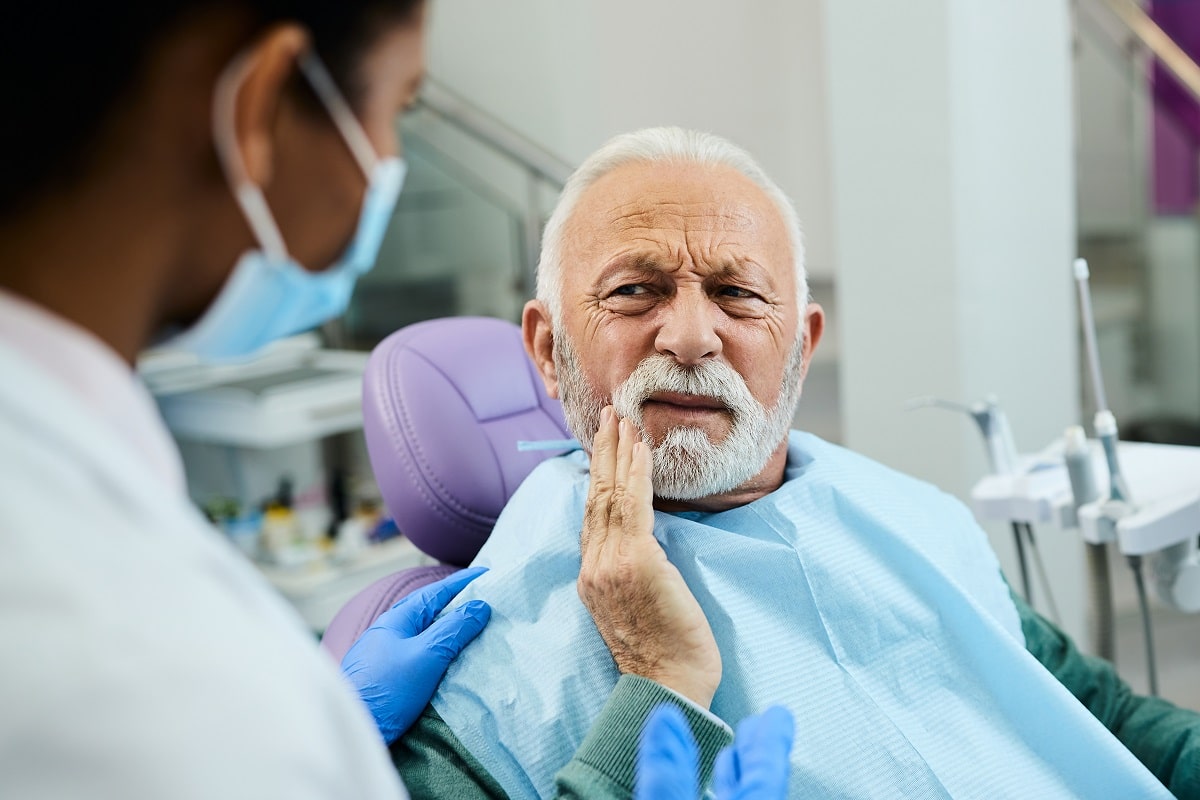
Noticing your gums peeling can be alarming. It’s an uncomfortable sensation that might leave you wondering what’s happening and how to address it. Gum peeling, also known as gum sloughing, is a common condition, and understanding its causes is essential for effective treatment and long-term prevention.
At Scruggs Family Dentistry, Dr. Scruggs and Dr. Rae Scruggs provide personalized care for patients in Shreveport and surrounding areas, frequently helping individuals manage symptoms like gum irritation and tissue peeling before they progress into more serious concerns. In this blog, we’ll explain the common causes, lifestyle factors that may contribute to gum sloughing in Shreveport’s environment, and the professional treatments available to restore your gum health.
If you’re currently experiencing gum peeling or discomfort, don’t wait for symptoms to worsen. Schedule an evaluation with our team today to identify the root cause and get a targeted treatment plan designed to protect your gums and overall oral health.
What is Gum Peeling? Understanding the Condition
Gum peeling refers to the shedding or detachment of the gum tissue from the teeth or underlying gums. This condition can be uncomfortable, with symptoms ranging from minor irritation to noticeable gum tissue loss. While gum sloughing may appear harmless, it can be an indicator of underlying oral health issues that require attention.
Gum sloughing is typically associated with gum irritation or inflammation, often linked to poor hygiene or gum disease. However, environmental factors like Shreveport’s dry climate can exacerbate the problem. Let’s dive into some of the primary causes of gum peeling and what you can do to protect your gums.
If you’re experiencing gum peeling and need professional care, don’t hesitate to reach out. A simple search for a “dentist near me” can help you find the right care to address this issue and ensure your oral health remains a priority
Common Causes of Gum Peeling and Irritation
1. Gum Disease (Gingivitis and Periodontitis)
Gum disease is one of the leading causes of gum sloughing. Gingivitis, the early stage of gum disease, is often characterized by redness, swelling, and irritation of the gums. If left untreated, it can progress to periodontitis, a more severe form of gum disease that causes gum recession, tissue loss, and even tooth loss.
What You Can Do: Regular dental checkups and cleanings are crucial for preventing and treating gum disease. Brushing and flossing twice a day also help manage plaque buildup, which can lead to gingivitis.
2. Aggressive Brushing Habits
Brushing too hard or using a toothbrush with stiff bristles can lead to gum irritation and damage. Over time, aggressive brushing can cause the gums to peel or recede, especially near the gum line.
What You Can Do: Switch to a soft-bristled toothbrush and brush gently in circular motions. Avoid scrubbing back and forth, as this can irritate your gums. Using an electric toothbrush with a pressure sensor can help ensure you’re brushing with the right amount of pressure.
3. Dry Mouth (Xerostomia)
Dry mouth occurs when there is insufficient saliva to keep the mouth moist. It can cause the gums to become dry and irritated, leading to peeling or a rough feeling in the mouth. Factors such as dehydration, certain medications, or breathing through your mouth at night can contribute to dry mouth.
What You Can Do: Stay hydrated by drinking plenty of water throughout the day. Use saliva substitutes or mouthwashes designed to hydrate the mouth. If dry mouth persists, consult your local dentist for additional treatment options.
4. Infections and Viruses
Certain viral infections, such as herpes simplex virus, can cause painful gum irritation and peeling. These infections may cause blisters that burst, leaving the gums vulnerable to further damage.
What You Can Do: If you suspect a viral infection, it’s important to seek professional care as soon as possible. Antiviral treatments may be necessary to manage the infection and prevent further damage to the gums.
5. Allergic Reactions to Dental Products
Allergic reactions to ingredients in toothpaste, mouthwash, or dental materials can trigger gum irritation and peeling. Some people may be sensitive to fluoride or other substances commonly found in oral care products.
What You Can Do: If you think a product may be causing your gum issues, switch to a hypoallergenic or fluoride-free toothpaste and mouthwash. Consult with your dentist to identify potential allergens and find an alternative.
6. Shreveport’s Climate and Environmental Factors
Shreveport’s hot, dry weather can exacerbate gum issues, especially if you spend time outdoors. Dry air can contribute to dehydration and a dry mouth, leading to gum irritation and peeling.
What You Can Do: To combat the effects of Shreveport’s dry climate, make sure you’re drinking plenty of water and using lip balms or moisturizing products. Using a humidifier indoors can help maintain moisture in the air, especially during the dry months.
Professional Treatments for Gum Sloughing
If you’re struggling with this oral condition, professional treatment can help restore your gum health and prevent further damage. Here are some treatment options your dentist may recommend:
- Professional Cleaning: If periodontal disease is causing gum peeling, a professional cleaning can remove plaque and tartar buildup that may be contributing to the issue. For more severe cases, a deep cleaning (scaling and root planing) may be required to treat the infection and promote gum healing.
- Topical Treatments: If an infection or allergic reaction is causing gum irritation, your dentist may prescribe topical treatments, such as corticosteroids or antimicrobial ointments, to reduce inflammation and promote healing.
- Hydration Solutions: For dry mouth, your dentist may recommend using saliva substitutes, prescription mouthwashes, or other products to keep your mouth moist and prevent gum irritation.
- Gum Grafting or Surgery: In cases of severe gum recession caused by gum disease or aggressive brushing, a gum graft may be necessary to restore the gum tissue. This surgical procedure involves taking tissue from another part of your mouth or using donor tissue to repair the gums.
Take Action to Protect Your Gums
If you’re dealing with gum peeling, it’s crucial not to ignore the issue. Whether it’s due to gum disease, aggressive brushing, or environmental factors, treating the condition early can prevent more severe complications and improve your oral health.
At Scruggs Family Dentistry, Dr. Scruggs and our trusted team are dedicated to providing effective treatments for gum issues like peeling. If you’re experiencing this condition, don’t wait for it to worsen. Visit our dental office in Shreveport, LA, and get the professional care your gums deserve.
FAQs About Gum Peeling
- Can stress cause my gums to peel?
Yes, stress can weaken your immune system, which may contribute to gum inflammation and peeling. Managing stress through relaxation techniques can help improve your gum health. - How do I know if my gum peeling is caused by gum disease?
If your gum peeling is accompanied by bleeding, bad breath, or swollen gums, it’s likely a sign of gum disease. A dental visit is needed to confirm the diagnosis. - Can allergies cause gum peeling?
Yes, allergic reactions to dental products, foods, or other substances can irritate the gums and lead to peeling. Switching to hypoallergenic oral care products can help. - Is gum peeling a serious issue?
Gum sloughing can be a sign of a larger oral health issue, such as gum disease or an infection. It’s important to seek professional care to prevent further complications. - Can dry mouth lead to gum peeling?
Yes, dry mouth can cause the gums to become dry and irritated, leading to peeling. Staying hydrated and using saliva substitutes can help alleviate the symptoms. - What is the best way to treat gum peeling at home?
For mild cases, practicing gentle oral hygiene, staying hydrated, and using over-the-counter remedies like saline rinses may help. However, seeing a dentist is recommended for persistent or severe cases. - How can I prevent gum peeling in the future?
Maintaining good oral hygiene, using a soft-bristled toothbrush, staying hydrated, and attending regular dental checkups can help prevent gum issues, including peeling.