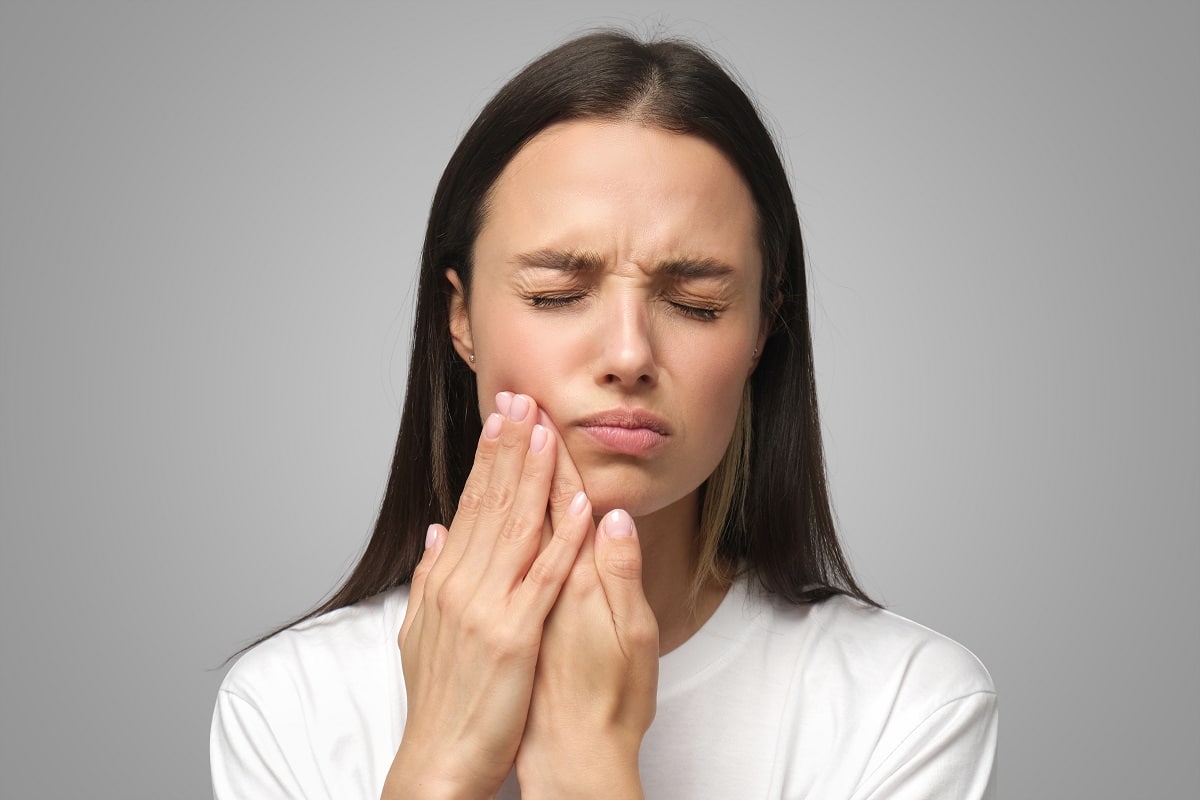
Living with sensitive teeth can make even a sip of cold water feel like a shock, so the idea of whitening them might feel risky. Many patients wonder, “Can I still get teeth whitening if I have sensitive teeth?” The short answer is yes, but the key lies in choosing the right approach.
If you are considering cosmetic improvements, speaking to a cosmetic dentist can help you find whitening methods tailored to your needs. With the right strategy, you can achieve a brighter smile without triggering pain or damaging your enamel.
Why Sensitivity Matters In Whitening Treatments
Tooth sensitivity usually results from exposed dentin, the inner layer beneath the enamel. When this layer is unprotected, stimuli like cold drinks or air can cause sudden pain. Whitening products, especially those with potent bleaching agents, can worsen this sensitivity if not used properly.
That is why it is essential to approach whitening with caution. Over-the-counter products might promise fast results, but for sensitive teeth, they can lead to more harm than good.
Safe Whitening Methods For Sensitive Teeth
-
In-Office Whitening With A Dental Professional
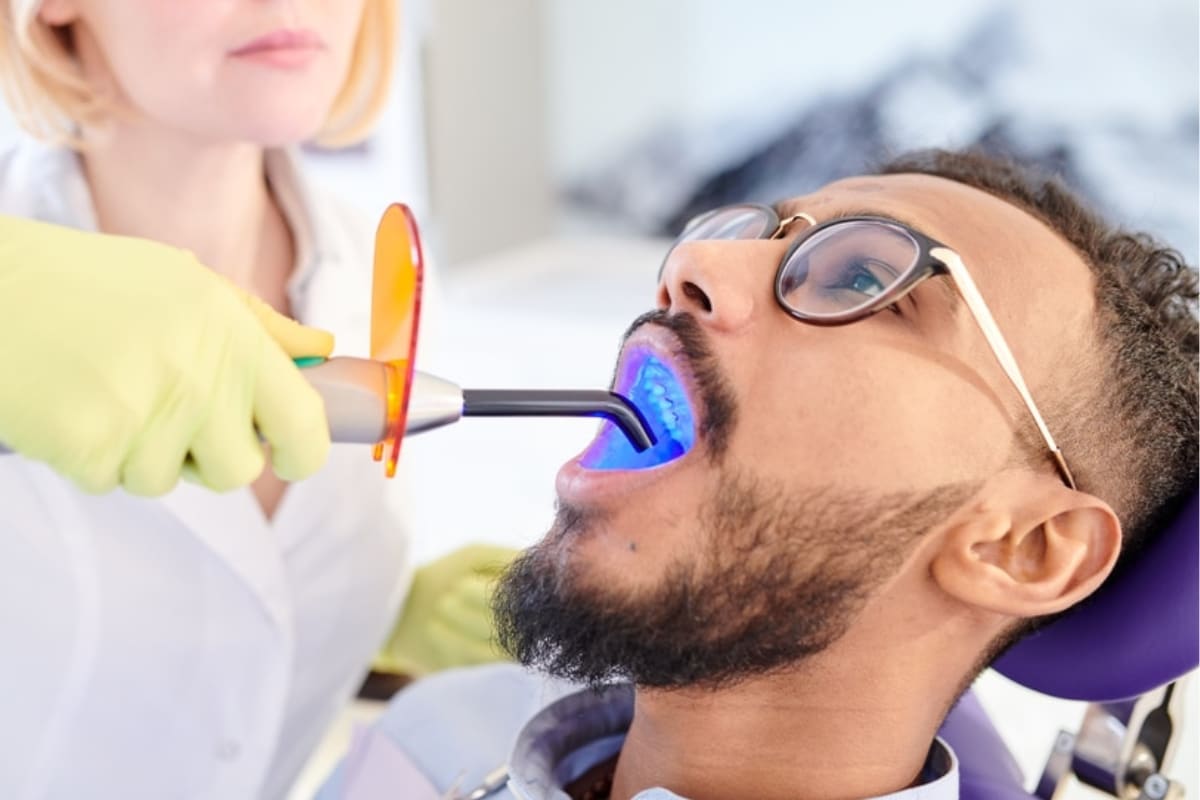
Professional whitening is the safest and most controlled method. A dentist applies protective gel to your gums, uses lower-strength whitening agents, and may include a fluoride or desensitizing treatment afterward. This reduces the risk of irritation while delivering visible results.
-
Whitening Toothpaste For Sensitive Teeth
These are gentler than standard whitening toothpaste and contain ingredients like potassium nitrate to calm nerve endings. While they don’t deliver instant brightness, they gradually reduce surface stains with continued use.
-
Low-Sensitivity Whitening Strips
Select whitening strips labeled for sensitivity. These use lower concentrations of peroxide and shorter application times. They can offer visible improvement without triggering pain, especially if used every few days rather than daily.
-
Custom Whitening Trays With Mild Gels
Custom trays made by your dentist ensure the application of whitening gel is even. When paired with dentist-approved low-strength gel, this method is both effective and safe for those with sensitive teeth.
-
Home Remedies (With Caution)
Baking soda or diluted hydrogen peroxide is often recommended online, but proceed carefully. These DIY options may still cause enamel erosion if used too often or incorrectly. Always consult your trusted dentist before trying home-based methods.
Tips To Manage Sensitivity While Whitening
Even with the safest whitening methods, mild sensitivity can still occur, especially if your enamel is already weakened. However, a few simple changes in your routine can make the process much more comfortable. Here are some practical tips to help protect your teeth and reduce discomfort during and after smile brightening:
-
Use a desensitizing toothpaste two weeks before and after whitening.
-
Avoid acidic foods like citrus and soda during your treatment period.
-
Stick to shorter sessions, but never leave whitening agents longer than recommended.
-
Rinse with a fluoride mouthwash to strengthen enamel post-treatment.
-
Take breaks between sessions to give your teeth time to recover.
By adjusting your habits and products, you can maintain comfort while working toward a brighter smile.
Achieve A Healthy And Pain-Free Smile
Sensitivity does not have to mean giving up on your whitening goals. You simply need the right plan. With help from a trusted cosmetic dentist in Shreveport, you can safely brighten your teeth while protecting them from further irritation.
At our dental clinic, we prioritize your comfort. We offer custom whitening plans designed specifically for sensitive teeth, using gentle yet effective techniques that protect your enamel and nerves. Schedule your consultation today and take the first step toward a brighter, pain-free smile. Visit our experienced team, and they will guide you through every option and help you feel confident again, without the sting.