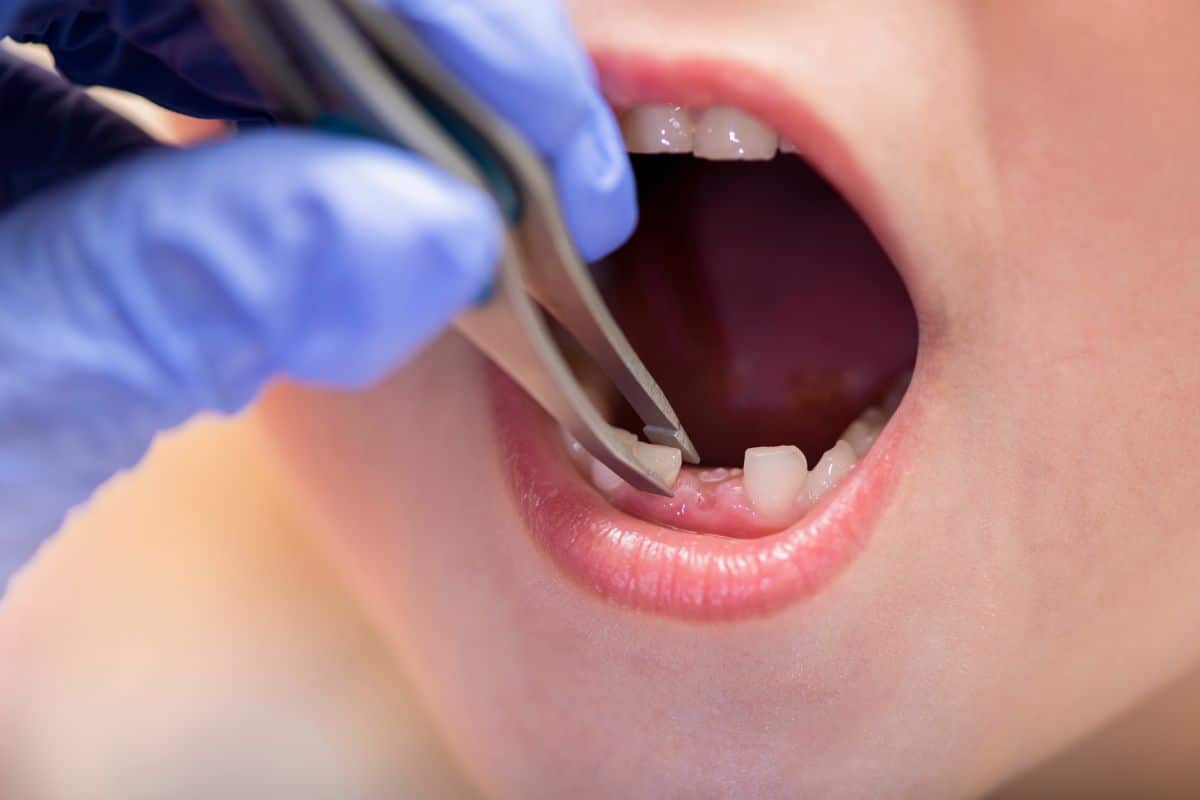
Tooth extraction is a common dental procedure that can be necessary for a variety of reasons, such as severe decay, infection, overcrowding, or trauma. While the primary concern is often the health and functionality of the mouth, the impact of tooth extraction on speech is an important consideration that deserves attention. This blog explores how tooth extraction can influence speech and provides insights into the potential changes and adaptations that may occur.
The Role of Teeth in Speech
Teeth play a crucial role in the production of clear and precise speech sounds. They work in conjunction with the tongue, lips, and palate to create the various sounds of speech. When teeth are missing, especially front teeth, it can disrupt the normal flow of speech and lead to noticeable changes in pronunciation and clarity.
Immediate Effects of Tooth Extraction on Speech
Immediately following a tooth extraction, patients may experience some temporary speech changes. These changes can be due to several factors, including:
- Swelling and Discomfort: Swelling of the gums and surrounding tissues is a common post-extraction response. This swelling can affect the movement and positioning of the tongue and lips, leading to temporary speech difficulties.
- Healing Process: The healing process involves the formation of a blood clot in the extraction site and the gradual healing of the gum tissue. During this time, the absence of the tooth and the healing tissue can create a gap that may affect speech.
-
Adaptation Period: The mouth needs time to adapt to the new configuration after a tooth is removed. This adaptation period can involve temporary changes in speech as the muscles and tissues adjust to the absence of the tooth.
Long-Term Effects of Tooth Extraction on Speech
While many of the immediate speech changes are temporary and resolve as the mouth heals, some long-term effects can occur, especially if the extracted tooth is not replaced. These effects include:
- Altered Articulation: Missing teeth, particularly those in the front of the mouth, can alter the way certain sounds are articulated. For example, the “s” sound may become a “th” sound, leading to a lisp. This can be particularly noticeable if multiple front teeth are missing.
- Impact on Chewing and Speaking: Teeth also play a role in maintaining the structure of the jaw and supporting the muscles used for chewing and speaking. When teeth are missing, it can lead to changes in the way the jaw moves, potentially affecting both chewing and speech.
-
Changes in Facial Structure: Over time, missing teeth can lead to changes in the facial structure, such as a sunken appearance in the cheeks and lips. These changes can indirectly affect speech by altering the positioning of the lips and tongue.
Mitigating the Impact of Tooth Extraction on Speech
To minimize the impact of tooth extraction on speech, several options are available:
- Dental Implants: Dental implants are a popular and effective solution for replacing missing teeth. They provide a stable and permanent replacement that can restore normal speech patterns. By mimicking the natural tooth structure, implants help maintain the alignment and function of the jaw and surrounding tissues.
- Dentures: Partial or full dentures can replace missing teeth and help restore normal speech. Dentures are designed to fit snugly in the mouth, providing support for the lips and cheeks and helping to maintain the natural alignment of the teeth.
-
Bridges: Dental bridges can replace one or more missing teeth by anchoring to adjacent healthy teeth. This can help restore normal speech by filling the gap created by the extracted tooth.
- Speech Therapy: In some cases, speech therapy may be beneficial, especially for individuals who experience significant speech changes after tooth extraction. A speech therapist can provide exercises and techniques to help improve articulation and clarity.
The Importance of Professional Care
When considering tooth extraction, it is essential to consult with a dental professional who can provide personalized care and guidance. Scruggs Family Dentistry, for example, emphasizes the importance of a comprehensive approach to dental care, considering not only the immediate health needs but also the long-term impact on speech and overall oral function.
Tooth extraction can have a significant impact on speech, both in the short term and the long term. Understanding these effects and exploring available solutions can help individuals maintain clear and precise speech after extraction. Whether through dental implants, dentures, bridges, or speech therapy, addressing the changes in speech can enhance both oral health and overall quality of life. If you are considering tooth extraction in Shreveport, be sure to discuss your concerns and options with your dental professional to ensure the best possible outcome.