Have you ever wondered if there is a way to repair your damaged or decayed teeth without needing to undergo extensive procedures like crowns or dental implants? Look no further, because inlays and onlays might just be the solution for you. These dental restorations offer numerous benefits that not only improve the appearance of your teeth but also enhance their functionality. In this blog post, we will dive into everything you need to know about inlays and onlays – from their advantages to how they compare with other dental procedures. So sit back, relax, and let’s explore the world of inlays and onlays together.
What Are Inlays And Onlays?
Inlays and onlays are types of dental restorations that are used to repair damaged or decayed teeth. They are often referred to as “indirect fillings” because they are fabricated outside of the mouth, unlike traditional fillings which are placed directly onto the tooth.
Inlays and onlays can be made from a variety of materials such as porcelain, composite resin, or gold. Porcelain is the most popular choice because it closely matches the color and texture of natural teeth.
The main difference between inlays and onlays lies in their size and location. Inlays are typically smaller than onlays and fit within the cusps (the bumps) of a tooth’s chewing surface. On the other hand, an onlay covers one or more cusps as well as part of the tooth’s side walls.
To determine whether you need an inlay or an onlay, your dentist will examine your affected tooth to assess its level of damage. If there is extensive decay or damage present that cannot be repaired with a filling but does not require a crown, then an inlay or an only might be recommended for you.
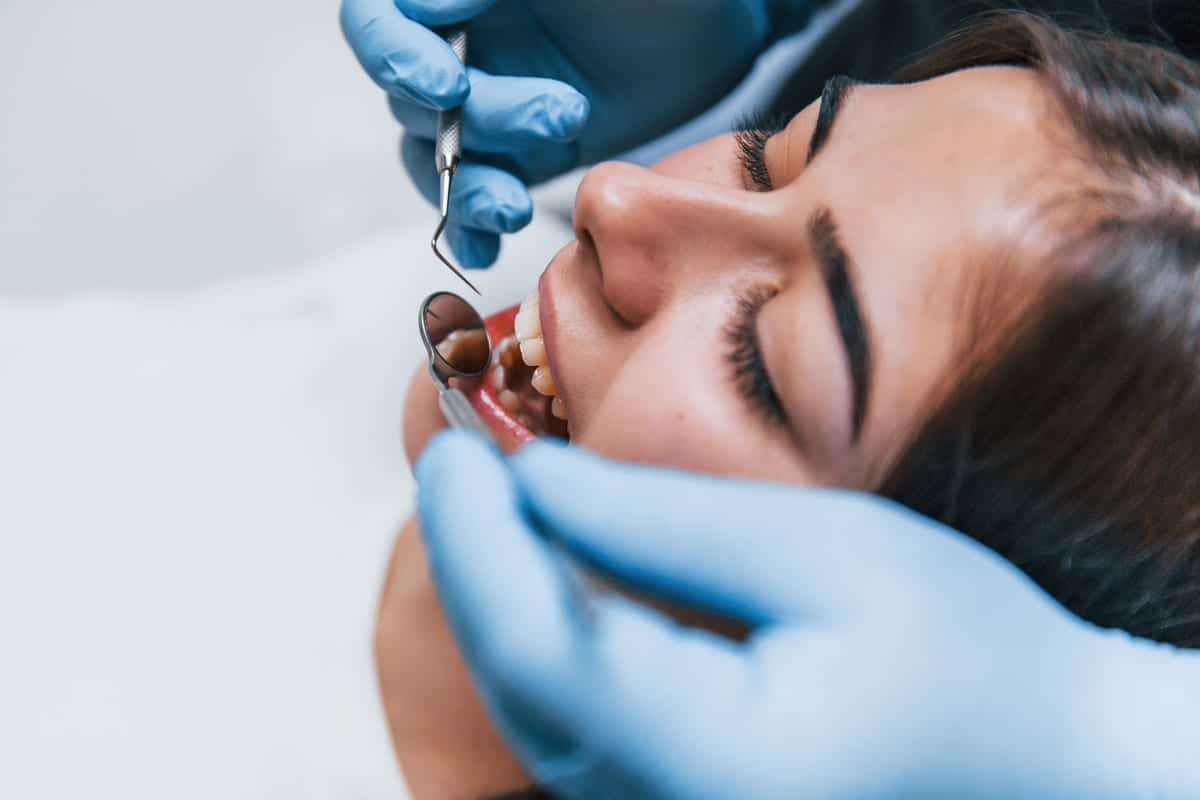
During your appointment for receiving either restoration type, your dentist will remove any existing decay from your damaged tooth before taking impressions for creating custom-made restorations to ensure proper alignment with surrounding teeth.
The Benefits Of Inlays And Onlays
Inlays and onlays are dental restorations that can provide a range of benefits for patients with damaged or decayed teeth. One of the main advantages is their durability; inlays and onlays are made from strong materials such as porcelain, which means they can last up to 30 years if properly cared for.
Another benefit is their ability to preserve healthy tooth structure. Unlike traditional fillings, inlays and onlays do not require the removal of large amounts of healthy tooth enamel. Instead, they fit snugly within the contours of the tooth, maintaining its natural shape and strength.
In addition to being durable and preserving healthy tooth structure, inlays and onlays also offer an aesthetic advantage over other types of restorations. Because they are custom-made to match the color and shade of your natural teeth, they blend seamlessly into your smile without any noticeable difference.
Another significant benefit is that inlay/onlay procedures typically require fewer visits to the dentist than other treatments like crowns or implants. This makes them a more convenient option for those who have busy schedules but still want quality dental care.
Inlays and onlays offer numerous advantages compared to other types of dental restorations. They provide long-lasting durability while preserving natural tooth structure and appearance – all with minimal inconvenience for patients!
How To Know If You Need Inlays Or Onlays?
If you have a damaged or decayed tooth, you may be wondering if inlays or onlays are the right solution for you. These dental restorations can strengthen and protect teeth that have suffered damage beyond what a simple filling can fix. But how do you know whether an inlay or onlay is the best choice for your specific situation?
One factor to consider is the extent of the damage to your tooth. Inlays are typically used when only one or two cusps (the raised points on top of your molars) need repair, while onlays are better suited for more extensive damage that encompasses multiple cusps.
Another consideration is the location of the damaged tooth. In some cases, a crown may be necessary instead of an inlay or onlay. Your dentist will examine your mouth and help determine which option makes sense based on factors such as bite pattern and overall oral health.
Ultimately, it’s important to work with a skilled dental professional who can guide you through this decision-making process and help ensure that whatever treatment plan you choose leads to long-lasting results.
The Process Of Getting Inlays Or Onlays
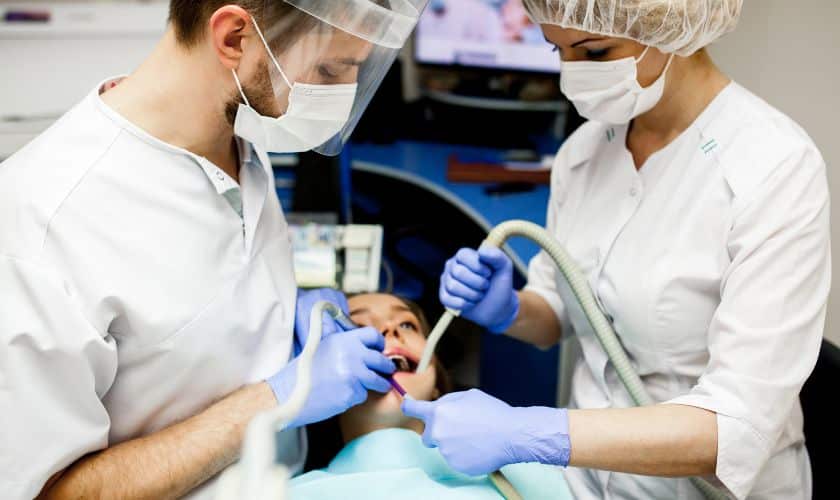
The process of getting inlays or onlays is a relatively simple one that usually takes two visits to the dentist. During the first visit, the dentist will prepare the tooth by removing any decay or damage and taking an impression of it.
This impression is then sent to a dental laboratory where your customized inlay or onlay will be fabricated. The material used for this may vary depending on your specific needs and preferences.
During your second visit, the dentist will fit and bond the inlay or onlay onto your tooth, ensuring it fits comfortably and matches its natural color. This process typically takes around 30 minutes to an hour per tooth.
It’s worth noting that unlike traditional fillings which can weaken teeth over time, inlays and onlays actually strengthen them due to their durability and ability to prevent further decay.
While the process of getting inlays or onlays does require two appointments with your dentist – it’s well worth it for their long-lasting benefits!
Inlays And Onlays Vs. Other Dental Procedures
Inlays and onlays are often compared to other dental procedures, such as fillings, crowns or veneers. While each procedure has its own benefits, inlays and onlays can offer unique advantages.
Compared to traditional fillings, inlays and onlays provide more coverage and protection for damaged teeth. Fillings only cover the area of the tooth that’s been affected by decay or damage while inlays and onlays are custom-made to fit into the grooves of your teeth. That means they’re better at preventing further damage or erosion.
Crowns cover an entire tooth which means a lot of healthy tooth structure may need to be removed during preparation. In contrast, inlay/onlay restorations require less removal of healthy tooth structure compared with crown preparations.
Veneers are another popular cosmetic option but they’re not suitable for every patient’s needs. Veneers require significant reshaping of natural teeth before application which can cause sensitivity and discomfort; meanwhile, inlay-onlay alternatives allow greater preservation of existing enamel.
When it comes to restoring damaged or decayed teeth without sacrificing too much healthy tissue, inlays and onlays offer a minimally invasive alternative with long-lasting results that remain aesthetically pleasing over time.
The Bottom Line
To sum up, inlays and onlays are excellent dental restorative options for individuals who have damaged teeth due to cavities or trauma. These procedures offer numerous benefits, including their durability, natural appearance, and ability to preserve more of the tooth structure than traditional fillings.
If you suspect that you need an inlay or onlay procedure, it is always best to consult with your dentist. They will examine your teeth thoroughly and determine if this treatment option is suitable for your specific case.
While there are other dental restoration procedures available, such as crowns and veneers, inlays and Onlays can be a more conservative approach when treating damaged teeth. Additionally, they often last longer than traditional fillings while maintaining a similar cost.
In conclusion (just kidding!) Choosing the right dental restoration technique depends largely on individual circumstances but considering all the benefits of inlays/Onlays discussed above makes them well worth considering!