Parents in Shreveport often wonder how their child will react during that first dental visit. Will there be tears? Will their toddler cooperate? These are common concerns, especially for families juggling daycare routines, busy work schedules, and the uncertainty of introducing a young child to a clinical setting. The good news: preparation makes a measurable difference in how children respond.
In a community where preventive health is a growing priority, helping toddlers feel comfortable with oral care early can shape lifelong habits. Understanding what to expect and how to prepare can turn a potentially stressful milestone into a positive experience that builds confidence for both parent and child.
Why Early Dental Visits Matter
According to the American Dental Association and the American Academy of Pediatric Dentistry, children should see a dentist by age one or within six months of their first tooth erupting. Early visits allow clinicians to:
-
Monitor oral development
-
Detect early signs of decay
-
Educate caregivers on hygiene and nutrition
-
Prevent dental anxiety through gradual exposure
These appointments are primarily preventive and educational rather than invasive.
Step-by-Step Preparation Plan for Parents
1. Talk About the Visit Positively
Toddlers mirror parental emotions. Use simple, reassuring language such as:
-
“The dentist counts your teeth.”
-
“They help keep your teeth clean.”
Avoid words that imply discomfort or fear, like “hurt,” “shot,” or “drill.”
2. Read Books or Watch Short Videos About Dental Visits
Story-based exposure helps toddlers visualize what will happen. Choose age-appropriate materials that depict friendly dental settings and cooperative children.
3. Schedule Strategically
Select a time when your toddler is typically well-rested and fed. Morning appointments often work best because young children tend to be more cooperative earlier in the day.
4. Practice at Home
Role-play a dental visit. Let your child open their mouth while you gently count teeth with a toothbrush. This familiarizes them with sensations and positioning used during exams.
5. Choose a Child-Focused Dental Environment
Clinics designed for young patients use smaller instruments, simplified explanations, and behavior-guidance techniques. Visiting a pediatric dental care provider in Shreveport who regularly treats toddlers can significantly improve cooperation and comfort.
What Happens During a Toddler’s First Appointment?
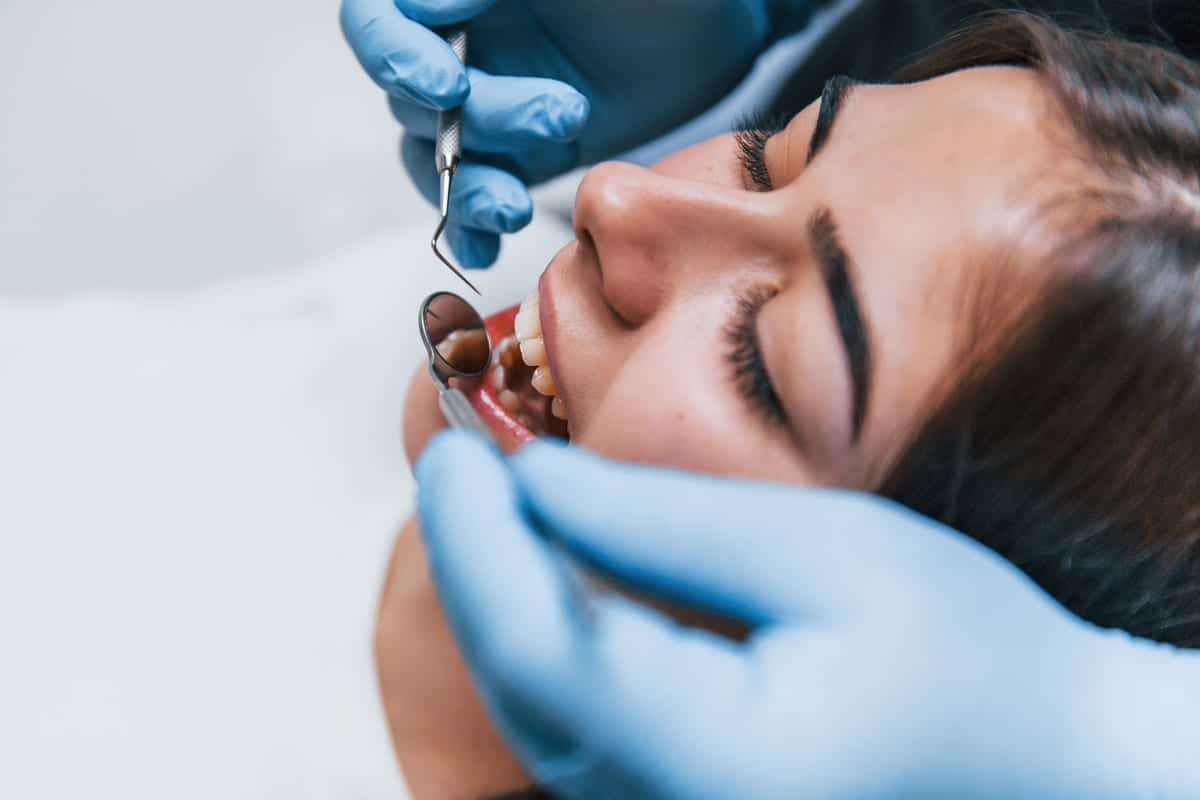
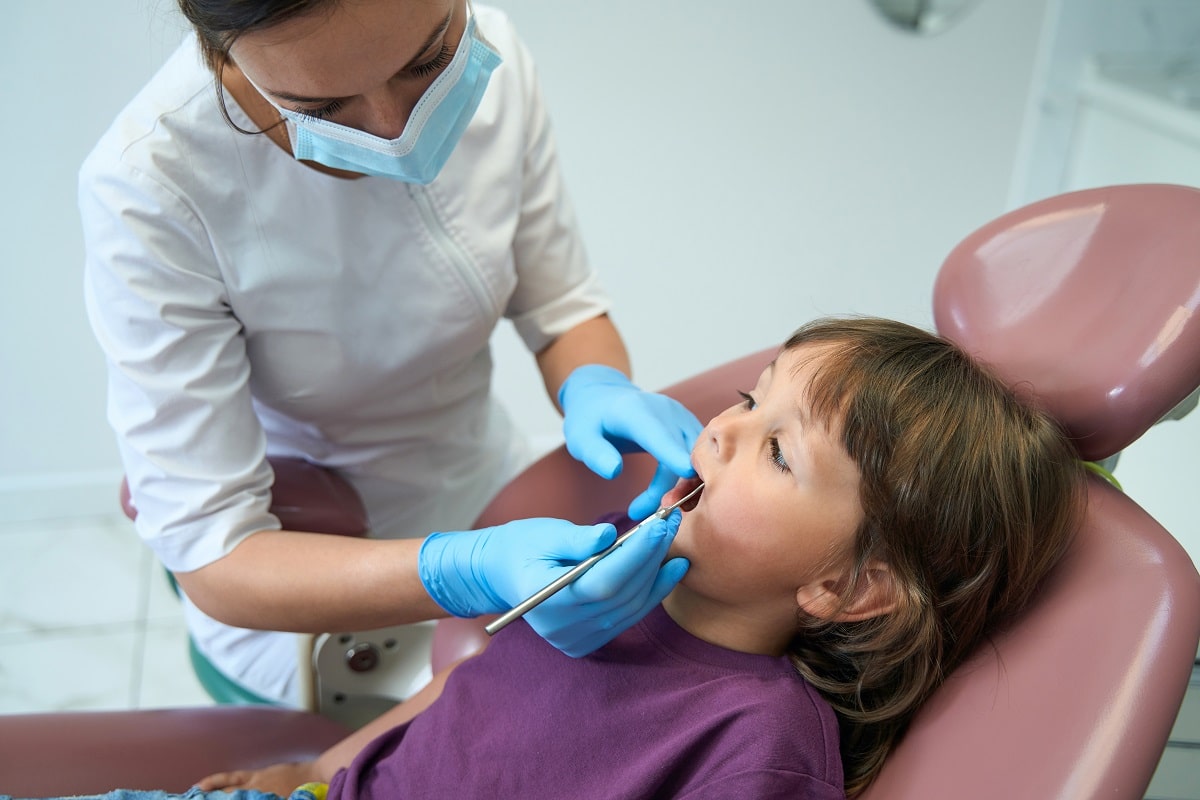
Most first visits are short and gentle. Typically, the dental team will:
-
Examine teeth, gums, and jaw growth
-
Check for decay or developmental concerns
-
Demonstrate brushing techniques
-
Discuss pacifier use or thumb-sucking
-
Answer parent questions
In some cases, a light cleaning or fluoride application may be performed if the child is comfortable.
How do I prepare my toddler for their first dental visit?
To prepare your toddler for a dental visit:
-
Use positive language when discussing the appointment.
-
Schedule during their calmest time of day.
-
Practice opening their mouth at home.
-
Bring a comfort item like a toy or blanket.
-
Stay calm and encouraging during the visit.
Signs Your Toddler May Need Extra Preparation
Some children benefit from additional steps if they:
-
Are sensitive to new environments
-
Have separation anxiety
-
Dislike loud sounds or bright lights
-
Resist brushing at home
For these kids, visiting a Shreveport pediatric dental specialist with behavior-guidance training can help ease transitions through gradual exposure techniques.
When Oral Discomfort Might Affect Your Child’s Visit
Sometimes toddlers resist dental exams not because of fear, but because their mouth feels sore or irritated. Conditions like small ulcers, gum tenderness, or healing bites can make opening their mouth uncomfortable. If your child suddenly refuses brushing, avoids certain foods, or seems sensitive when you touch their lips or gums, it may signal an underlying issue that should be checked before their appointment.
If you’re unsure whether symptoms are normal or need professional attention, you may find it helpful to read our guide on Baby Mouth Ulcers: Causes, Treatments, and When to See a Pediatric Dentist, which explains warning signs, home care tips, and when to schedule a visit.
Parent Behavior Matters More Than You Think
Clinical research in pediatric dentistry consistently shows that caregiver attitude influences child cooperation. When parents remain calm, avoid over-explaining, and allow dental staff to lead communication, children are more likely to trust the environment.
Helpful strategies:
-
Sit nearby but avoid interrupting instructions
-
Offer praise for cooperation
-
Avoid bribes or threats
Practical Items to Bring to the Appointment
-
Favorite toy or blanket for reassurance
-
List of medications or medical conditions
-
Sippy cup or water bottle
-
Snacks for after the visit
These small preparations can reduce stress triggers and make the experience smoother.
Common Mistakes Parents Should Avoid
Over-preparing with too much detail
Toddlers process information differently from adults. Simple explanations are more effective.
Using the dentist as a threat
Statements like “If you don’t brush, the dentist will be mad” create fear associations.
Scheduling during nap time
Fatigue increases resistance and irritability.
Long-Term Benefits of Early Positive Experiences
Children who have calm early visits are statistically more likely to:
-
Maintain regular dental checkups
-
Develop consistent brushing habits
-
Experience less dental anxiety later in life
Preventive exposure builds familiarity, which reduces fear of future procedures.
When to Schedule the Next Visit
Most toddlers should return every six months unless a dentist recommends a different interval based on risk factors such as:
-
Frequent snacking on sugary foods
-
Early signs of enamel weakness
-
Family history of dental decay
Regular monitoring helps catch issues before they progress.
Ready to Schedule With a Trusted Local Dental Team?
Your toddler’s early dental visits can shape their comfort with oral care for years to come. Schedule an appointment with Scruggs Family Dentistry and let a friendly, supportive team provide gentle care while giving you practical guidance for your child’s growing smile. Contact the office today to reserve a convenient time.
FAQ: Toddler Dental Visit Preparation
At what age should my toddler first see a dentist?
By age one or within six months of the first tooth eruption.
Should I stay with my child during the exam?
Yes, especially for first visits. Your presence provides reassurance.
What if my toddler cries during the appointment?
Crying is common and not harmful. Pediatric teams are trained to manage it calmly and efficiently.
Are X-rays taken at the first visit?
Usually not unless there is a specific concern. Most first visits are visual exams.
How long does a toddler’s dental visit last?
Typically, 20–30 minutes, depending on cooperation and whether preventive treatments are done.