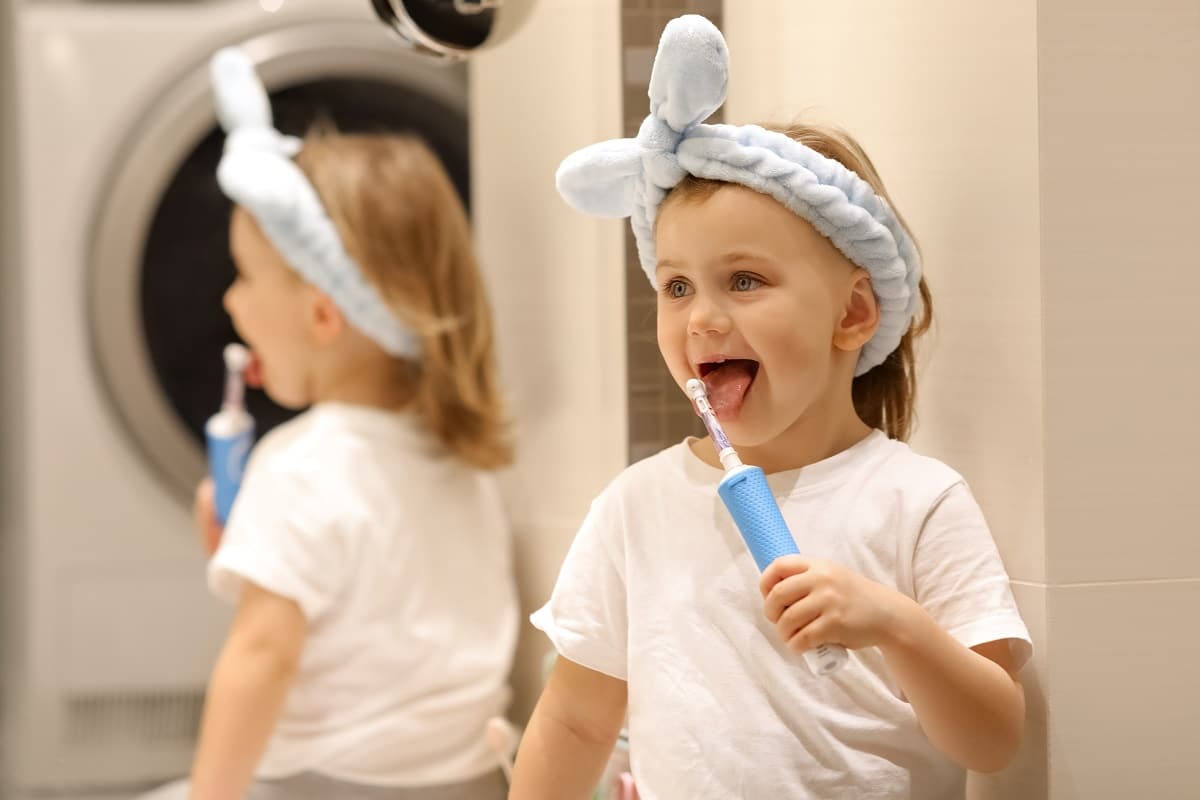
In many Shreveport homes, bedtime turns into a negotiation when it’s time to brush. Parents tell us their child suddenly “forgets,” rushes through it, or refuses to floss altogether. It’s not about stubbornness; it’s often about boredom, discomfort, or simply not understanding the “why.”
At Scruggs Family Dentistry, Dr. Rae Scruggs and Dr. Scruggs have worked with families for years to build routines that actually stick. When brushing becomes engaging and developmentally appropriate, kids are far more likely to stay consistent without daily pushback, and if you’re running into daily challenges, we encourage you to contact us to get personalized guidance that makes these routines easier at home.
Quick Answer
The most effective way to make brushing and flossing fun for kids is to combine structure with play, use music, visual timers, rewards, and child-friendly tools while giving them a sense of control. Consistency and positive reinforcement matter more than perfection.
Why Kids Resist Brushing in the First Place
Most parents assume it’s just defiance. Clinically, it’s rarely that simple.
Common underlying reasons:
- Lack of sensory comfort (toothbrush feels harsh or toothpaste too strong)
- Short attention span (2 minutes feels long without engagement)
- No immediate reward (kids don’t feel the benefit like adults do)
- Control struggles (they want independence, not instructions)
What most patients overlook:
Early resistance often predicts long-term avoidance habits, especially if brushing is associated with stress or punishment.
Early vs Advanced Signs of Poor Oral Habits
Recognizing the difference helps you intervene before bigger issues develop.
Early Signs
- Skipping brushing or rushing through it
- Mild plaque buildup along the gumline
- Occasional bad breath
Advanced Signs
- Visible cavities or dark spots on teeth
- Gum irritation or bleeding when flossing
- Tooth sensitivity or pain complaints
When these patterns persist, parents typically seek care after noticing discomfort, but by then, treatment is often more involved than prevention.
How to Make Brushing Fun (That Actually Works)
1. Turn It Into a Game
- Use a 2-minute song challenge
- Create a “tooth treasure hunt” (focus on different areas each day)
- Let them “defeat sugar bugs” while brushing
2. Give Kids Ownership
- Let them choose their toothbrush (colors, characters)
- Allow them to brush first, then guide after
- Use a mirror so they can see what they’re doing
3. Use Visual & Digital Tools
- Timer apps or sand timers
- Brushing charts with stickers
- Smart toothbrushes with built-in games
4. Make Flossing Less Intimidating
- Use floss picks instead of string floss
- Turn it into a “quick mission” instead of a chore
- Pair it with a reward system early on
What’s the Easiest Way to Build a Daily Routine?
Start by anchoring brushing to existing habits like breakfast and bedtime. Keep the routine predictable, use a timer or song for duration, and reinforce consistency with small rewards. Over time, routine replaces resistance, making brushing feel automatic rather than forced.
Common Misconceptions That Backfire
“They’re baby teeth—it’s not a big deal”
Untreated cavities in baby teeth can affect speech, nutrition, and adult teeth alignment.
“If they brush quickly, it’s fine”
Speed brushing misses plaque along the gumline, where decay often begins.
“Flossing can wait until they’re older”
Tight spaces between teeth can trap food early—flossing becomes important sooner than most parents think.
What Happens If This Is Ignored?
This is where many families are caught off guard.
Progression pattern:
- Inconsistent brushing
- Plaque accumulation
- Enamel weakening
- Cavities and gum irritation
- Pain, infection, or emergency visits
By the time discomfort appears, treatment may involve fillings or more complex care—something most parents wish they had avoided earlier.
When Parents Usually Seek Help
In real-world practice, families often come in when:
- Their child complains of tooth pain
- They notice visible discoloration
- Brushing has become a daily struggle
At this stage, guidance from a pediatric-focused dental team can reset habits and prevent further complications. Working with a pediatric dentist in Shreveport, families’ trust ensures strategies are tailored to your child’s behavior and development.
Building Long-Term Habits That Stick
Consistency matters more than creativity alone.
Practical strategies:
- Keep routines at the same time daily
- Use positive reinforcement, not punishment
- Model behavior—kids mimic what they see
- Schedule regular dental visits for accountability
A structured yet flexible approach helps children gradually take ownership of their oral health.
Why Local Guidance Makes a Difference
Every child responds differently, and what works at age 3 won’t work at age 7.
A pediatric dentist parents rely on can:
- Identify early risk factors
- Recommend age-appropriate tools
- Guide parents through behavior challenges
- Prevent minor issues from escalating

A Better Routine Starts With the Right Support
If brushing and flossing have become a daily struggle in your home, it’s worth addressing now, before small habits turn into bigger concerns. At Scruggs Family Dentistry, our team focuses on helping children feel comfortable, confident, and motivated to care for their teeth.
Schedule a visit with Dr. Rae Scruggs or Dr. Scruggs in Shreveport to get personalized guidance and practical strategies that make daily oral care easier for both you and your child.
FAQs: What Parents in Shreveport Ask Most
1. At what age should my child start flossing?
As soon as two teeth touch. Flossing helps remove food and plaque where brushing can’t reach.
2. How do I handle a child who refuses to brush?
Stay calm, avoid force, and introduce fun elements like music, rewards, or letting them choose their toothbrush.
3. Are electric toothbrushes better for kids?
They can be helpful, especially for kids who struggle with technique, but consistency matters more than the type.
4. How long should kids brush their teeth?
Two minutes, twice daily. Using a timer or song can help maintain duration.
5. What toothpaste should I use for my child?
Use fluoride toothpaste in age-appropriate amounts. Your dentist can recommend the right type.
6. How often should my child visit the dentist?
Every six months, or as recommended based on their oral health needs.