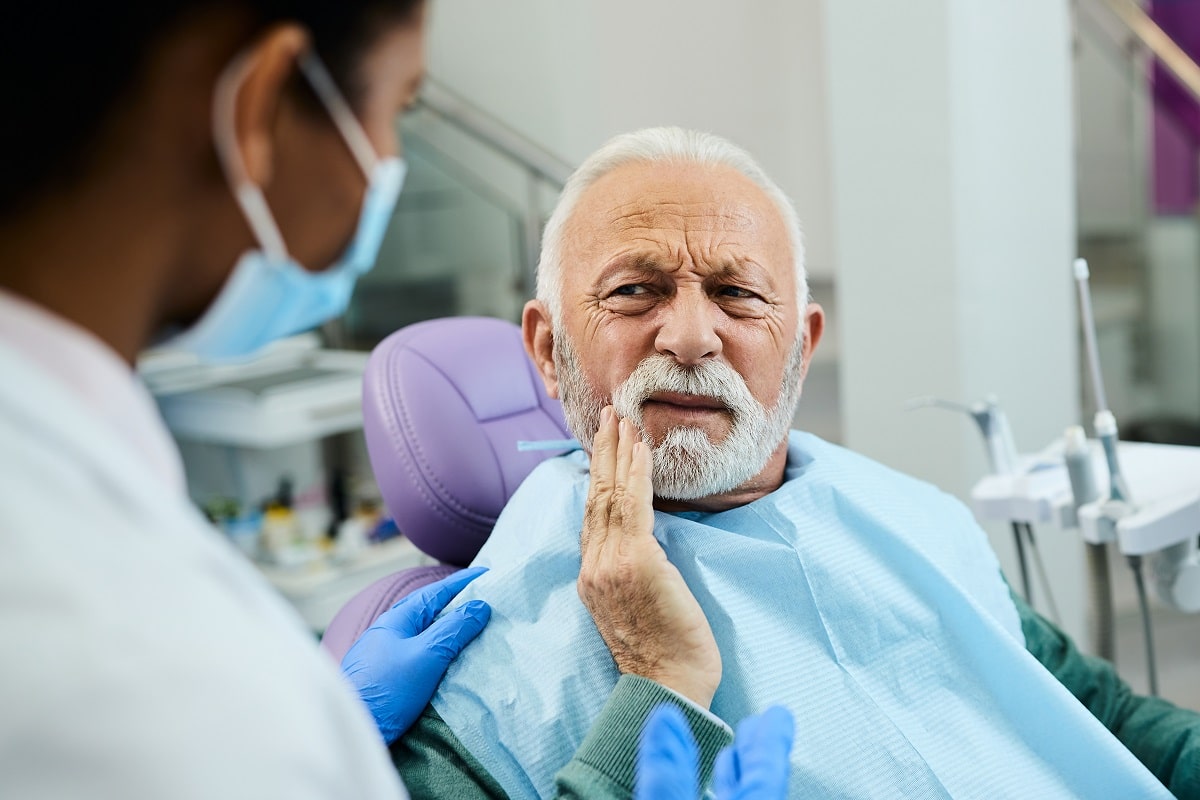
Dry or peeling gums can be uncomfortable, distracting, and sometimes alarming. While occasional irritation is common, persistent dryness or flaking often points to inflammation, lifestyle habits, or early gum issues that deserve attention. The good news? Many cases improve with simple, dentist-approved home remedies. This guide walks you through the most effective ways to soothe irritated gums, what causes the issue in the first place, and when it’s time to call a trusted local dental professional.
What is the fastest way to treat dry or peeling gums at home?
The quickest relief usually comes from combining warm saltwater rinses, gentle brushing with a soft-bristle toothbrush, proper hydration, and avoiding alcohol-based mouthwashes. If symptoms last more than a week or worsen, it’s important to schedule an evaluation with a cosmetic dental care provider, especially if you’re considering cosmetic dental care in the Shreveport area and want your gums to be healthy before any smile-enhancing treatments.
Why Do Gums Become Dry or Flaky?
Dry or peeling gums can result from several factors, and identifying the root cause helps guide the right treatment. Common triggers include:
-
Dehydration, which reduces saliva flow and moisture.
-
Irritating oral care products, especially those containing alcohol or strong whitening agents.
-
Aggressive brushing can erode gum tissues over time.
-
Vitamin deficiencies, particularly vitamins C and B-complex.
-
Seasonal dryness, especially during colder months or when indoor heating reduces humidity.
-
Underlying gum inflammation which may require professional care.
Understanding the underlying cause ensures your at-home efforts are effective, safe, and aligned with how dental professionals approach gum-related concerns.
1. Start With Gentle Oral Care
A simple shift in your daily routine can make a noticeable difference in gum comfort.
Use a Soft-Bristle Toothbrush
Harsh bristles can irritate already-sensitive gum tissues. A soft-bristle brush helps maintain cleanliness without causing friction that leads to peeling or flaking.
Switch to Mild Toothpaste
Choose toothpaste without harsh abrasives or strong whitening compounds. Look for formulations labeled for sensitive gums or dry mouth support.
Avoid Alcohol-Based Mouthwash
Alcohol can dry gum tissues and worsen the peeling. Use an alcohol-free rinse with soothing ingredients like aloe or xylitol.
2. Try a Warm Saltwater Rinse
One of the most dentist-recommended home remedies, saltwater rinses help:
-
Reduce inflammation
-
Soothe irritation
-
Restore moisture
-
Support healing
How to do it:
Mix ½ teaspoon of salt in a cup of warm water. Rinse gently for 20–30 seconds, twice a day.
3. Hydrate and Support Natural Saliva Flow
Moisture plays a major role in gum health—more than most people realize.
Increase Water Intake
Aim for consistent hydration throughout the day. If your mouth frequently feels dry, small sips every 30–45 minutes help maintain saliva flow.
Use Sugar-Free Gum or Lozenges
Products containing xylitol stimulate saliva and reduce dryness naturally.
4. Add Moisture Back Into Your Environment
Dry indoor air can contribute to gum irritation, especially during winter.
-
Use a humidifier in your bedroom.
-
Avoid prolonged mouth breathing while sleeping.
-
Consider nasal strips if nighttime congestion contributes to dryness.
These simple environmental changes can significantly improve gum comfort, especially for residents in areas with seasonal humidity changes.
5. Support Gum Health Through Nutrition
Nutrition plays a quiet but powerful role in gum resilience.
Focus on Vitamin C
Citrus fruits, bell peppers, kiwi, and leafy greens help strengthen gum tissues.
Get Enough B Vitamins
Include foods like whole grains, eggs, legumes, and lean proteins to support overall oral tissue health.
If dietary intake is limited, consider discussing supplementation with a healthcare provider.
6. Try Natural Soothers
Several natural options can offer temporary relief while supporting gum comfort.
-
Aloe vera gel (oral-safe) to calm irritation
-
Coconut oil pulling, which may reduce dryness and bacteria
-
Chamomile tea rinse for a mild anti-inflammatory effect
These remedies should complement, not replace, daily oral hygiene.
7. Know When Home Care Isn’t Enough
While many cases of dry or peeling gums improve with at-home care, certain signs mean you should schedule a dental evaluation right away:
-
Persistent peeling or cracking
-
Bleeding that continues for several days
-
Gum recession
-
A burning sensation in the gums
-
Bad breath that doesn’t improve
-
Symptoms lasting longer than one week
Dental professionals can determine whether gum irritation is connected to early inflammation, dry mouth conditions, or other concerns that may need in-office treatment. For expert cosmetic dental advice and guidance on restoring healthy gum appearance, you can explore our services.
Trusted Care for Dry or Flaking Gums
If your gums are feeling dry, irritated, or flaky, simple daily changes can often restore comfort. But if the symptoms linger or continue to worsen, getting help from a skilled dental professional ensures your gums stay healthy, hydrated, and protected.
If you’re struggling with gum irritation or want personalized guidance, SCRUGGS Family Dentistry in Shreveport, LA, is here to help. Contact our team today to schedule your appointment and get expert care tailored to your smile.