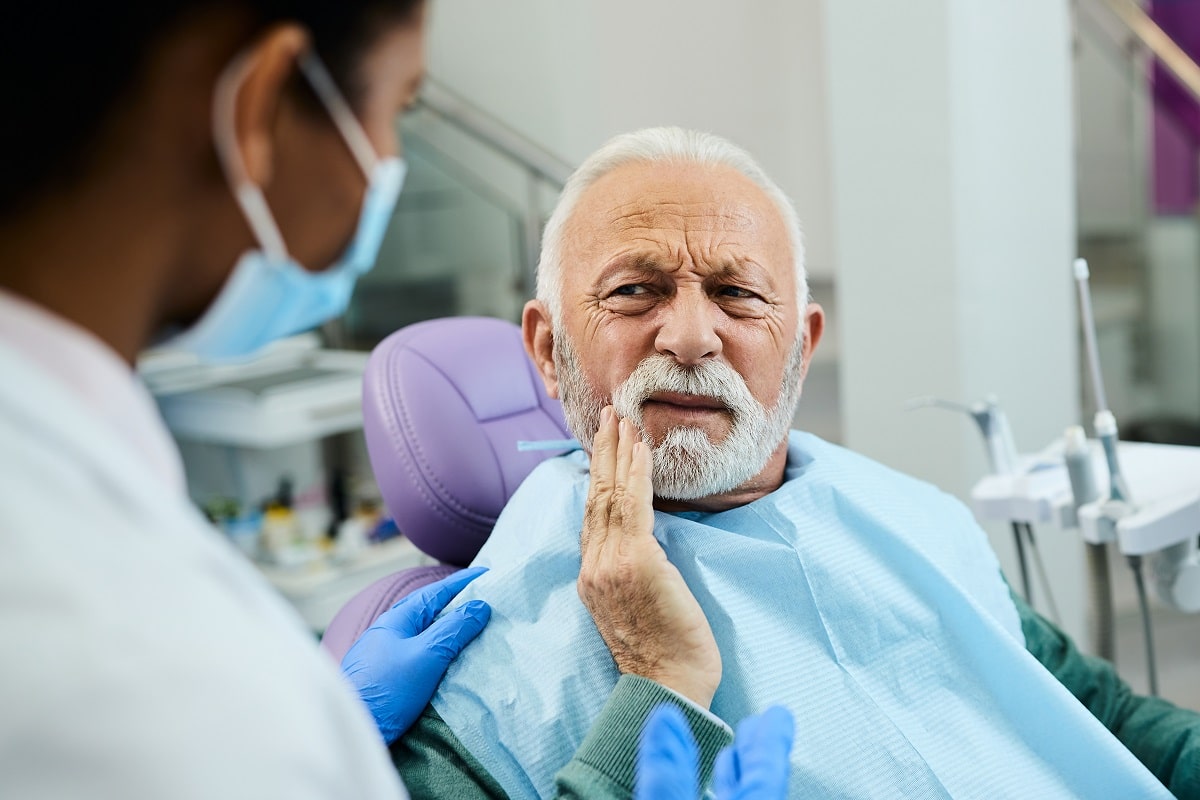
If you’ve recently undergone a tooth extraction, you may be wondering how soon you can resume eating and what foods are appropriate during the healing process. Adhering to your dentist’s post-operative instructions is essential to ensuring a smooth recovery. In this blog, we’ll address when it’s safe to eat after an oral surgery, the types of foods you should avoid, and offer practical advice for managing your diet as you heal.
When Is It Safe To Eat After A Tooth Extraction?
After having a tooth pulled, it’s crucial to follow your dentist’s instructions for a smooth recovery. The first few hours post-surgery are critical. While you may feel the urge to eat soon after the procedure, it’s essential to wait until the anesthesia wears off. Eating too soon can result in accidental bites to your cheeks, tongue, or lips due to numbness.
Usually, after wisdom tooth removal, it is safe to begin eating soft foods within 2 to 4 hours. However, it is recommended to stick to liquids or soft foods for the first 24 hours. Avoid hot foods or beverages, as these can irritate the surgical site and increase swelling.
Top Foods To Eat After A Tooth Extraction Procedure
During the initial days of recovery, you should eat soft, easy-to-consume foods to minimize irritation. Here are some ideal food options for the first 48 hours:
- Smoothies: Opt for nutrient-packed, easy-to-drink options. Avoid thick, frozen ones to prevent discomfort.
- Yogurt: Soft and cold, yogurt is easy on the gums and can be packed with probiotics, which are beneficial for your gut health during recovery.
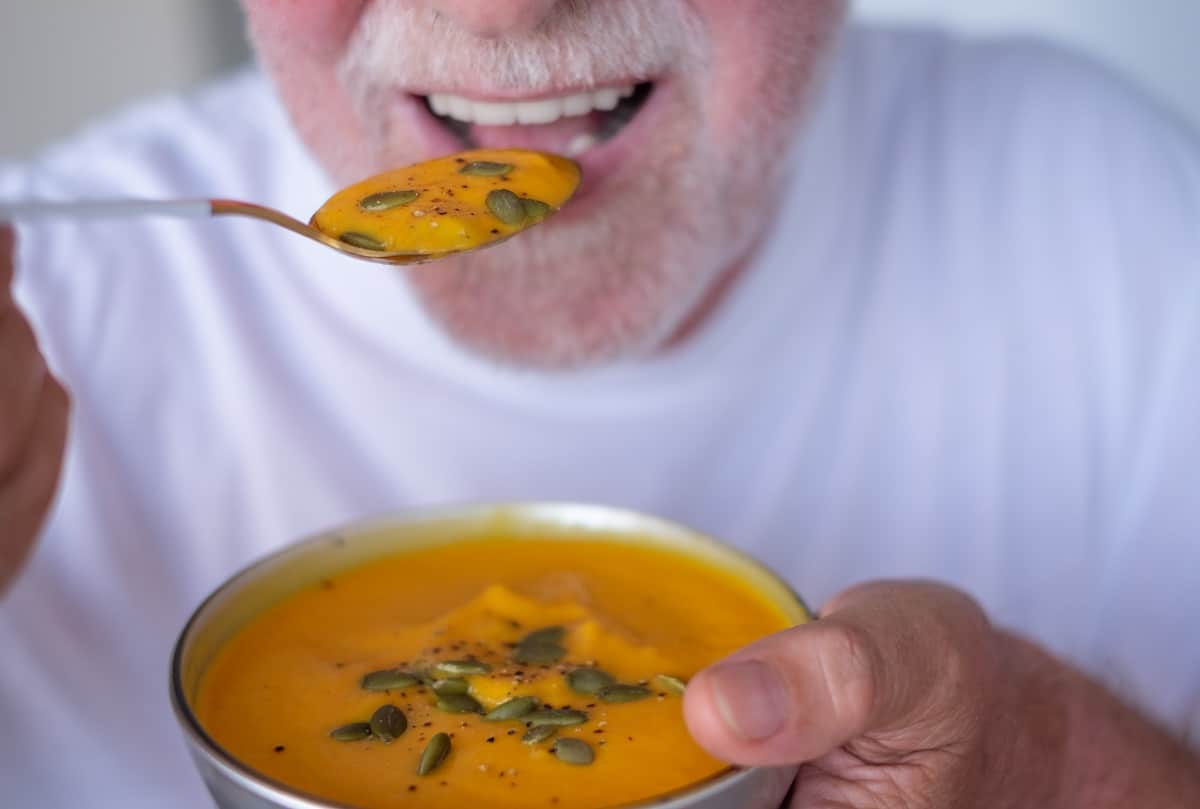
- Soup: Stick to lukewarm or cold soups. Avoid hot broths as they can cause discomfort.
- Mashed Potatoes: Soft and easy to swallow, they can provide comfort without much chewing.
- Scrambled Eggs: High in protein, scrambled eggs are soft and can be eaten warm without irritation.
These foods will help provide the nutrition your body needs without stressing your healing gums.
Foods You Should Avoid During The Recovery Process
While it’s vital to focus on soft, healing foods, it’s equally crucial to avoid certain foods that can interfere with your recovery. Some foods may worsen discomfort or delay healing. Here are the foods to avoid:
- Hard, Crunchy Foods: Foods like chips, nuts, or raw vegetables can be difficult to chew and irritate the healing site.
- Hot Foods and Drinks: Hot beverages like coffee and hot soup can cause discomfort and increase the risk of swelling.
- Spicy Foods: Spices can irritate the gum tissue and disrupt the healing process.
- Sticky Foods: Avoid sticky items like caramel or gum, as they can get stuck in the surgical site and increase the risk of infection.
- Alcohol: Alcohol can interfere with the healing process, so it is best to avoid drinking during the recovery phase.
Being mindful of what you eat during this time can help keep your mouth safe and ensure faster healing.
Long-Term Dietary Considerations After A Dental Exodontia
After the first few days of recovery, you can gradually return to your regular diet, but it’s essential to continue being cautious. Stick to soft foods for the first week and gradually introduce firmer foods as your mouth heals. It’s best to keep chewing on the opposite side of the site until you feel comfortable chewing on both sides.
Also, stay hydrated, as this helps with healing. Drink plenty of water and avoid sugary or acidic drinks, as they can irritate the treated site.
What To Do If You Experience Pain While Eating?
Experiencing pain while chewing? It could indicate an issue with the healing process. In such cases, consider taking over-the-counter pain medication as prescribed by your dentist. If the pain persists or if you notice unusual symptoms, don’t hesitate to contact a professional to address the issue before it escalates.
Have Questions? Our Team Can Assist You Through Your Recovery
Eating after a tooth extraction doesn’t have to be stressful. By following these dentist-approved tips and making mindful food choices, you can support a smooth recovery. While it’s essential to avoid certain foods in the beginning, remember that with patience and care, you’ll soon be able to return to your regular diet. If you have any concerns or questions during your recovery, schedule an appointment with Scruggs Family Dentistry and get personalized guidance. Your healing journey is just the beginning of a healthier smile!
Frequently Asked Questions
- How soon after a wisdom tooth surgery can I eat solid food?
It’s best to wait at least 24 hours before eating solid food to allow the treated site to begin healing. Many dentists recommend soft foods for the first 48 hours. - What kinds of foods should I avoid after a tooth extraction?
Avoid hard, crunchy, sticky, hot, or spicy foods, and skip using straws, because these can disturb the blood clot and irritate the wound. - Can I brush or rinse my mouth the same day after extraction?
It’s best to avoid rinsing, spitting, or brushing near the site for the first 24 hours to allow the clot to stabilize. Afterwards, gentle care is usually safe. - How long should I stick to a soft-food diet after tooth removal?
Most people follow a soft-food diet for 2–3 days. After that, you can gradually reintroduce more normal foods as comfort allows. - When is it okay to return to regular eating habits?
In uncomplicated cases, many patients return to regular eating within about a week, provided the area is healing well and they avoid stressing it.